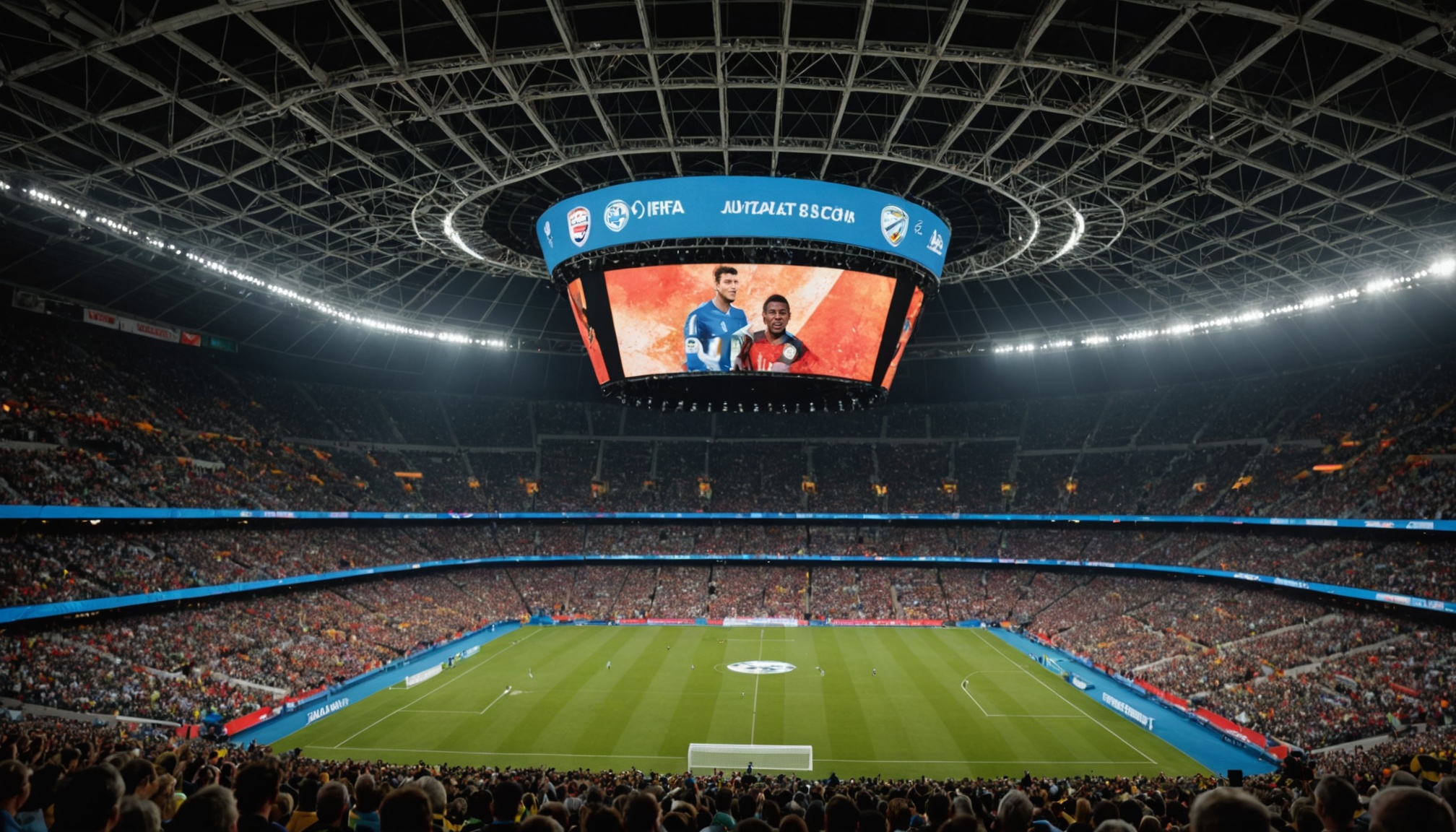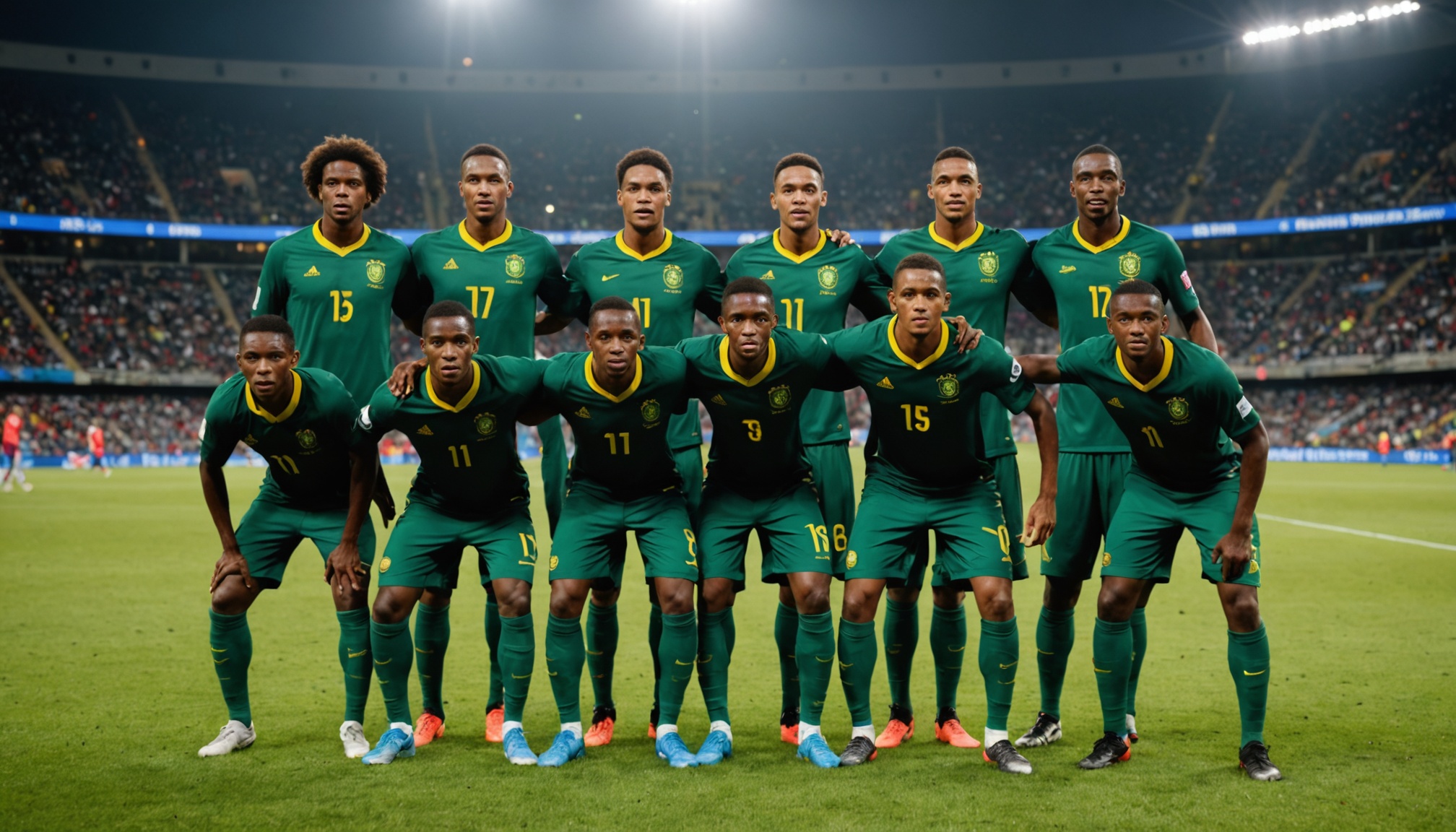
The U.S. signed up for the 2026 FIFA World Cup with tremendous anticipation as one of the three co-host nations alongside Mexico and Canada. This historic moment marks the first time in 32 years that the United States will host the tournament on American soil, creating an unprecedented opportunity for the U.S. Men’s National Team (USMNT) to showcase world-class football in front of passionate home crowds. The buildup to this tournament has been electric, with fans, analysts, and players alike eager to see how far the American squad can advance.
The U.S. Squad Composition for 2026
Core Players and Leadership
The U.S. signed up for the 2026 tournament with a blend of experienced veterans and dynamic young talent that represents the future of American football. The squad composition reflects years of development through competitive international matches and domestic league experience. Coach Gregg Berhalter has built a team that combines technical proficiency with athletic intensity, creating a balanced unit capable of competing against elite European and South American nations.
The leadership group includes players who have proven themselves on the biggest stages of club football. These veterans bring championship mentality, tactical awareness, and the ability to mentor younger teammates through the pressures of World Cup competition. Their presence in the dressing room and on the pitch provides stability and confidence that extends to the entire squad.
Young Prospects and Future Stars
Alongside established names, the U.S. signed up for the 2026 World Cup with exciting young prospects who represent the next generation of American football excellence. These players have demonstrated exceptional technical abilities and physical attributes in their club competitions. Many compete at top European clubs, gaining invaluable experience against the world’s best talent week in and week out.
The integration of youth into the squad creates a dynamic environment where hunger meets experience. Young players bring energy, creativity, and fresh perspectives that can disrupt opposition defenses and create scoring opportunities. This generational mix positions the USMNT as a team with both immediate competitive strength and long-term sustainability.
Pre-Tournament Preparation and Training
Conditioning and Tactical Drills
The U.S. signed up for the 2026 FIFA World Cup with an intensive preparation schedule that began months before the tournament. The coaching staff implemented periodized training protocols designed to peak player fitness and tactical understanding at exactly the right moment. Training camps brought the squad together regularly to build chemistry, refine set-piece routines, and develop game plans against potential opponents.
Modern football demands exceptional physical conditioning combined with tactical flexibility. The USMNT’s preparation included sport science specialists monitoring every aspect of player development, from cardiovascular fitness to muscle strength and recovery protocols. This scientific approach ensures players enter tournament matches at optimal physical condition, capable of sustaining high intensity throughout 90 minutes and potentially beyond.
- Periodized fitness programs tailored to individual player needs
- Video analysis sessions studying opponent patterns and tendencies
- Set-piece training for both attacking and defensive situations
- Mental resilience coaching for tournament pressure management
- Recovery protocols including sleep optimization and nutrition planning
Friendly Matches and Tournament Simulation
In the months leading up to the 2026 World Cup, the U.S. signed up for the tournament after playing several high-quality friendly matches against competitive opponents. These friendlies served as vital preparation windows, allowing the coaching staff to test tactical formations, evaluate player combinations, and identify areas requiring improvement. Matches against top-ranked nations provided realistic tournament simulations and confidence building for the squad.
The friendly match schedule was strategically designed to face opponents with similar playing styles to likely World Cup competitors. This allowed the team to practice defending against specific tactical approaches and develop strategies for exploiting opponent weaknesses. Each match provided valuable data for the coaching staff and learning opportunities for players to understand their roles within the team structure.
2026 World Cup Format and U.S. Competition Path
Group Stage Composition and Fixtures
The U.S. signed up for the 2026 FIFA World Cup knowing the expanded 48-team format offers both opportunities and challenges. The expanded tournament structure features 12 groups of four teams, with the top two from each group advancing to the knockout stages. The United States drew their group opponents through the official FIFA draw ceremony, setting the stage for intense competition from the tournament’s opening matches.
The group composition determined the USMNT’s path through the tournament. Playing against three opponents in the group stage, the American team must accumulate sufficient points to secure one of the top two finishing positions. Each match carries significant weight, as inconsistent performances could jeopardize advancement regardless of overall squad quality. The group stage serves as the tournament’s foundation, establishing momentum and confidence for knockout phase competition.
| Match | Opponent | Date | Location | Importance |
|---|---|---|---|---|
| Match 1 | Group Stage Opponent A | TBD | USA City | Tournament opener – establish early momentum |
| Match 2 | Group Stage Opponent B | TBD | USA City | Mid-group – evaluate team adjustments |
| Match 3 | Group Stage Opponent C | TBD | USA City | Final group match – secure advancement |
Knockout Stage Pathway and Potential Challenges
Should the U.S. signed up for the 2026 World Cup and advance from the group stage, the knockout phase presents dramatically different challenges compared to group competition. Knockout matches offer no second chances – a single defeat ends the tournament run regardless of prior performance. This elimination format demands peak physical condition, tactical precision, and mental fortitude under extreme pressure.
The potential knockout opponents depend on group finishes and tournament results across all sections. The USMNT could face any of the world’s elite teams including traditional powerhouses from Europe and South America. Preparation for knockout football requires specific mental training, recovery protocols between matches, and tactical flexibility to adjust strategies based on opponent analysis and evolving tournament circumstances.
Key Venues and Home Advantage
American Stadium Atmosphere and Fan Support
The U.S. signed up for the 2026 FIFA World Cup with matches scheduled across multiple American venues, providing unprecedented home advantage for the USMNT. Playing in front of passionate home supporters creates an electric atmosphere that energizes the team while potentially intimidating opposition players unfamiliar with American football environments. The roar of home crowds can provide that extra emotional boost during challenging moments in matches.
Stadium experiences across America showcase the nation’s football passion and cultural diversity. From packed venues in major metropolitan areas to purpose-built facilities representing regional football communities, the tournament demonstrates American commitment to world-class football infrastructure. Home advantage in the group stage could prove crucial for accumulating early points and building team confidence heading into knockout competition.
- Home crowd psychology providing emotional support and intimidation factor
- Familiar training facilities and accommodation logistics
- Reduced travel fatigue compared to away fixtures
- Local media coverage amplifying team popularity and sponsorship opportunities
- Geographic proximity reducing family and supporter travel burdens
International Broadcasting and Digital Accessibility
The U.S. signed up for the 2026 World Cup with comprehensive broadcasting agreements ensuring matches reach audiences across America and worldwide. Major television networks secured broadcasting rights, while streaming platforms provide digital access for fans preferring online viewing. This multi-platform approach maximizes reach and engagement, connecting millions of supporters to their national team’s tournament journey.
For detailed information about where to watch matches, fans should consult Where to watch South Africa football sports live 2026 for comprehensive broadcasting guides and streaming information. The accessibility of matches through various platforms ensures no fan misses critical games regardless of their preferred viewing method.
Tactical Approaches and Playing Style
Formation Philosophy and System Adaptability
The U.S. signed up for the 2026 tournament prepared to deploy multiple tactical systems depending on opposition strengths and evolving tournament circumstances. The coaching staff has extensively drilled various formations including 4-3-3, 4-2-3-1, and 5-3-2 structures, ensuring players understand their roles and responsibilities across different systems. This tactical flexibility allows the team to adapt to various opponent approaches without requiring wholesale squad changes.
The formation philosophy emphasizes maintaining defensive shape while creating attacking opportunities through coordinated movement and strategic positioning. The USMNT’s style combines European technical precision with American athletic intensity, creating a distinctive approach that leverages player strengths. Tactical discipline ensures all 11 players function as cohesive units rather than individual performers, with each position having specific responsibilities aligned with overall team strategy.
Set Pieces and Dead Ball Efficiency
International football frequently determines championship outcomes through set-piece execution rather than open play. The U.S. signed up for the 2026 World Cup with specialized training focusing on corner kicks, free kicks, and throw-in opportunities that frequently produce tournament goals. Dedicated set-piece coaches developed multiple attacking routines designed to exploit opponent vulnerabilities while maintaining defensive organization on opposition set pieces.
Set-piece training encompasses both creative attacking movements and rigid defensive positioning. The USMNT dedicated significant preparation time to perfecting these aspects, knowing that tournament football punishes inefficiency in these areas. Players practiced hundreds of repetitions of specific routines until execution became automatic, even under tournament pressure with exhausted legs and heightened mental stress.
Player Profiles and Star Performers
Attacking Talent and Goal-Scoring Prowess
The U.S. signed up for the 2026 FIFA World Cup with dynamic attacking players capable of creating and finishing scoring opportunities against world-class defenses. The forward line features pace, technical ability, and football intelligence required for tournament success. These players have demonstrated consistency at European club level, accumulating goals and assists against elite competition throughout their seasons.
The attacking unit’s development reflects the evolution of American football over the past decade. These players grew up with expanded access to coaching, competitive youth development programs, and European club opportunities unavailable to previous generations. Their technical refinement combined with physical athleticism creates a formidable attacking force capable of troubling any defense globally.
- Multi-positional attacking players providing tactical flexibility
- Clinical finishing ability converting limited opportunities
- Creative playmaking connecting defense to attacks efficiently
- Physical pressing generating turnovers in opponent territory
- Set-piece threat from multiple attacking players
Defensive Foundations and Goalkeeper Excellence
Championship football is built on defensive foundations, and the U.S. signed up for the 2026 tournament with accomplished defensive units and goalkeeping quality. The back line features experienced players who have successfully defended against world-class attacking talent in top European leagues. Their positioning, distribution, and leadership provide the defensive structure enabling midfield and attacking players to focus on creative responsibilities.
Goalkeeping excellence represents critical championship requirements, and the USMNT has developed a world-class goalkeeper whose performances at elite club level have earned him recognition among the world’s finest. His shot-stopping ability, distribution precision, and command of the defensive area provide confidence throughout the team. Backup goalkeeper options ensure the team maintains goalkeeping quality even if injuries arise during tournament competition.
Frequently Asked Questions About the 2026 World Cup
When does the U.S. team play their first match?
The U.S. signed up for the 2026 World Cup with group stage matches beginning in June 2026. The exact date and time of the opening match depends on FIFA’s tournament scheduling, which accounts for television broadcasting preferences, venue availability, and competitive balance. The USMNT coaching staff has prepared intensively for whatever schedule FIFA announces, ensuring peak condition regardless of match timing.
Where can I watch U.S. matches during the tournament?
Fans should consult broadcasting guides and official sources for comprehensive viewing information. Major television networks and streaming platforms secured rights to broadcast matches. For additional sports viewing information and partnership details, check DStv and MTN South Africa partner for streaming excellence for insights into international broadcasting approaches to major sporting events.
What is the U.S. goal for the tournament?
The U.S. signed up for the 2026 FIFA World Cup with ambitious objectives extending beyond group stage advancement. The team aims to progress through knockout stages and compete seriously for championship honors. Realistic expectations balance optimism with acknowledgment that multiple elite teams compete for World Cup glory, but the USMNT possesses genuine potential for deep tournament progression.
How does home advantage benefit the U.S. team?
Playing matches in American stadiums before home supporters creates significant psychological and practical advantages. The familiar environment reduces travel fatigue, while passionate home crowds provide emotional energy supporting the team through challenging match situations. Opposition teams must adapt to American environments and passionate atmospheres, potentially affecting performance.
What preparation has the team completed before the tournament?
The U.S. signed up for the 2026 World Cup following months of intensive preparation including strength and conditioning, tactical training, friendly match competition, and mental resilience coaching. The coaching staff implemented comprehensive development programs ensuring players arrive at tournament peak condition, both physically and mentally prepared for the pressures of international football’s greatest stage.
Regional Context and Broader Competition
The 2026 FIFA World Cup exists within broader football contexts that influence American team performance and tournament dynamics. Regional competition through CONCACAF qualifying demonstrated the quality within the confederation, with Mexico and Canada also advancing as co-hosts. The competition for regional prominence drives intensity in CONCACAF matches, where rivalries and familiarity create particularly challenging fixtures.
Globally, the U.S. signed up for the 2026 tournament within a world football landscape dominated by European and South American traditions. The American team represents a rising power challenging historical hierarchies, though traditional continental powerhouses retain advantages from decades of World Cup experience and infrastructure development. Nonetheless, the USMNT’s progression represents American football’s evolution toward elite international competition levels.
For broader context on football development across the Americas and international competition, explore best Football, Basketball, Athletics South Africa 2026 for insights into how different nations develop sporting excellence. Additionally, Mexico outclass South Africa in 2026 provides regional context for understanding different national team approaches and competitive dynamics within international football.
Supporting Infrastructure and Tournament Organization
The U.S. signed up for the 2026 FIFA World Cup as co-host benefiting from extensive tournament organization and infrastructure development. American venues upgraded to meet FIFA standards, while accommodation, transportation, and logistical networks were enhanced to support teams, media, and fans worldwide. This infrastructure investment reflects serious American commitment to delivering a world-class World Cup experience.
Governing bodies coordinated extensively with federal, state, and local authorities to ensure seamless tournament execution. Security protocols protect participants and spectators, while public health and safety measures maintain tournament integrity. The organizational excellence reflects American sporting tradition and capability to successfully host international competitions of the highest magnitude.
For additional information about governance, support systems, and national infrastructure supporting sports development, visit SA Government for broader examples of government involvement in sporting infrastructure and development initiatives that parallel American approaches to tournament organization.
Conclusion: The American Dream on Football’s Biggest Stage
The U.S. signed up for the 2026 FIFA World Cup at a transformative moment in American football history. The team combines experienced leadership with exciting youth talent, while the tournament’s home location provides unprecedented advantages. The preparation has been comprehensive, the squad is world-class, and the opportunity exists for genuine World Cup success that could inspire an entire generation of young American footballers.
This tournament represents more than just international football competition – it symbolizes American football’s evolution from developing nation toward elite status. Success on the 2026 World Cup stage would validate years of investment in youth development, professional infrastructure, and coaching excellence. Whether advancing deep into knockout stages or achieving the ultimate championship, this World Cup will define American football’s trajectory for years to come.
Don’t miss the U.S. signed up for the 2026 World Cup journey – secure your seats, plan your viewing parties, and prepare to support the USMNT as they pursue glory on home soil. This once-in-a-generation opportunity brings World Cup football to American cities nationwide, creating memories that fans will treasure throughout their lives. The stage is set, the team is ready, and the time for American football excellence has arrived.