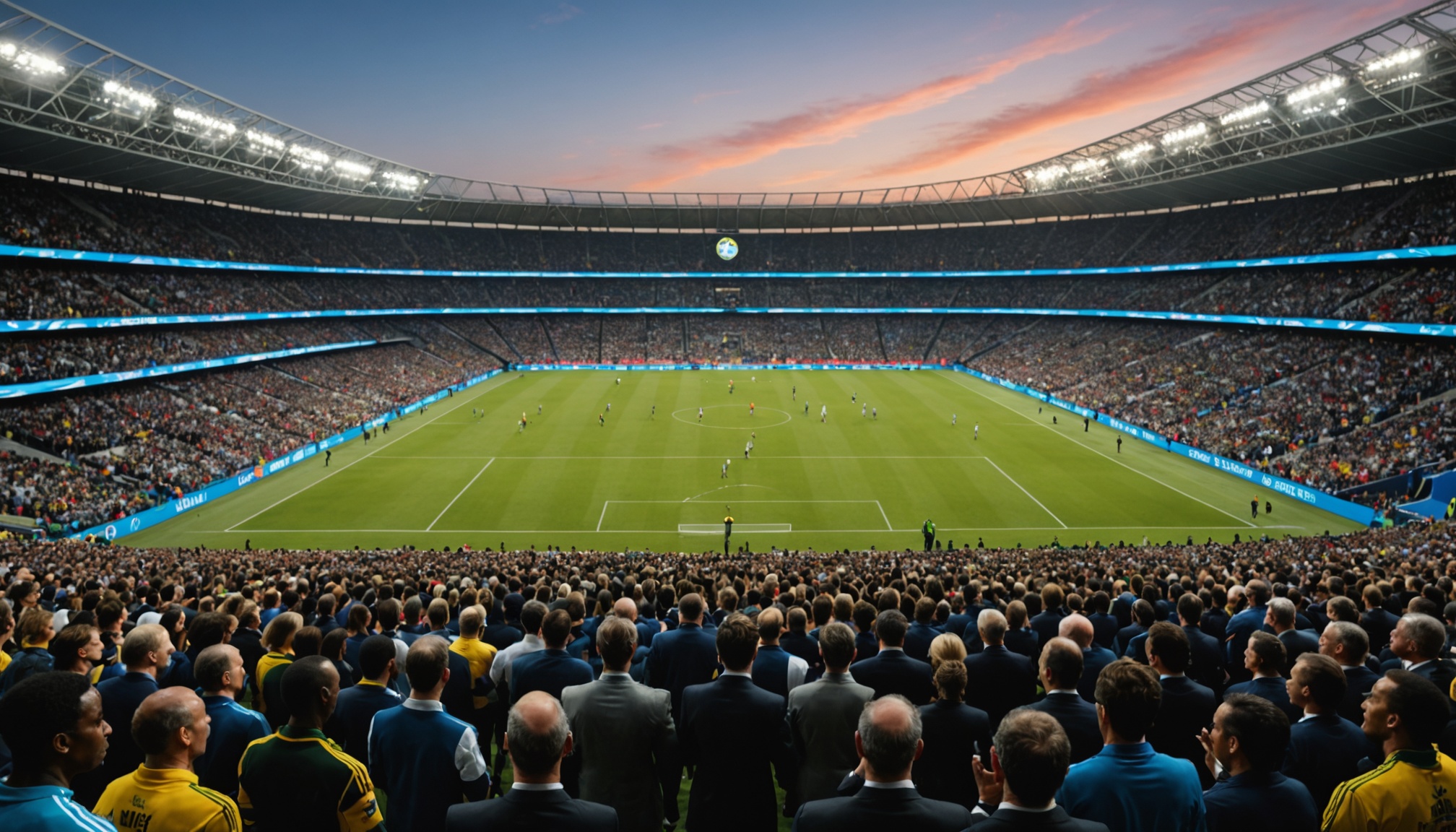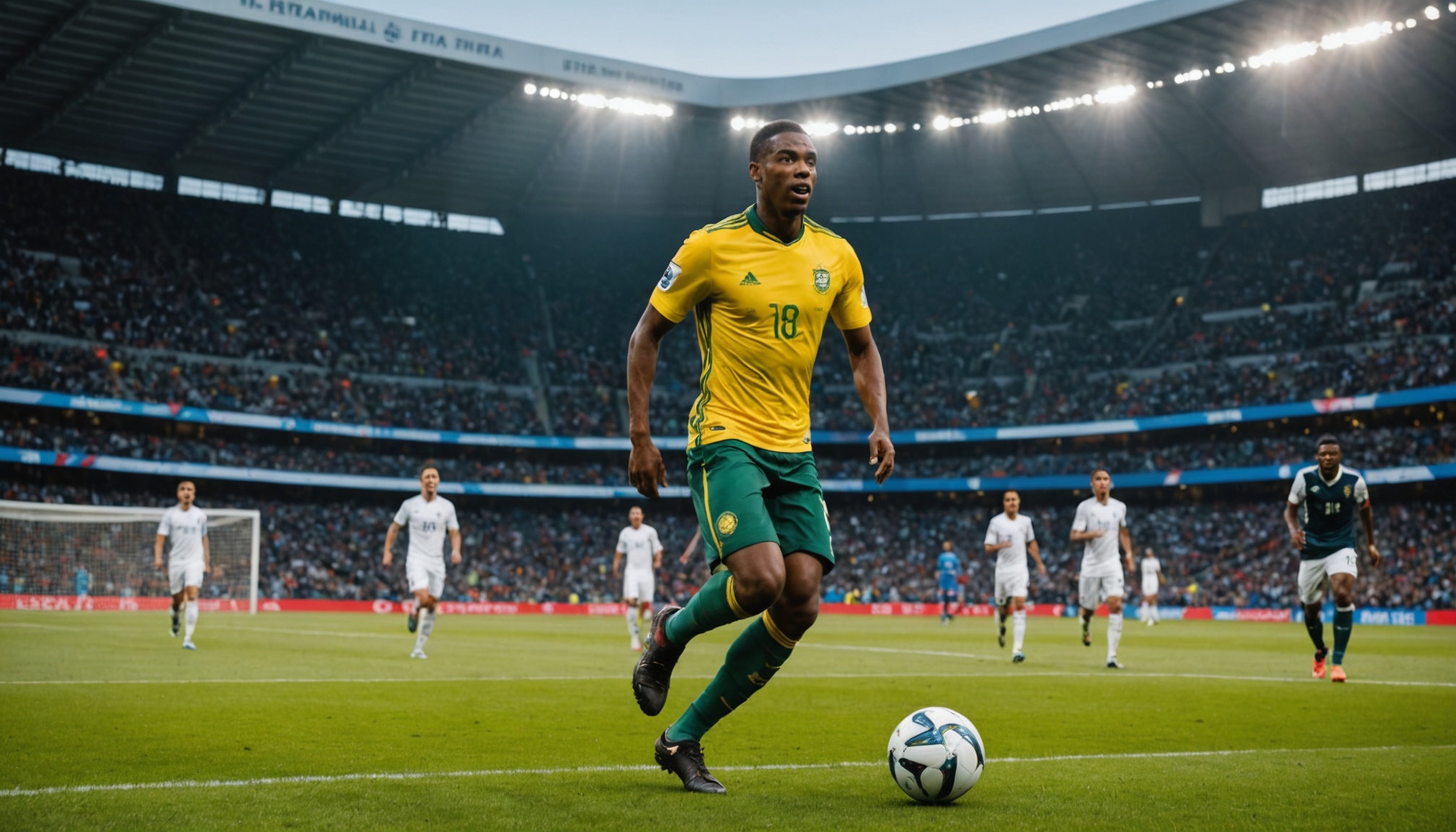
South Africa left with work to accomplish in the coming months as Bafana Bafana navigates a crucial period in their football development. The national team faces significant challenges that demand immediate attention from coaching staff, management, and federation officials. With the 2026 FIFA World Cup approaching, there is no time to waste in addressing the structural issues that have plagued South African football.
Understanding the Current State of Bafana Bafana
Recent Performance Analysis
South Africa left with work to do after their inconsistent showing in recent international competitions. The team has experienced ups and downs that reflect deeper systemic issues within the program. Recent matches have exposed defensive vulnerabilities and inconsistent attacking prowess that cannot be overlooked. These performance gaps directly impact the team’s ability to compete at the highest levels of international football.
The coaching staff has identified several key areas requiring improvement. Match analysis reveals that South Africa left with work to complete regarding tactical flexibility and player adaptation. The team struggles to maintain consistency across multiple competitions and against varying opposition styles. This inconsistency has become a pattern that demands comprehensive solutions.
Key Statistics and Metrics
Looking at concrete numbers, Bafana Bafana’s recent form tells a cautionary tale. The team’s win-loss ratio has fluctuated significantly over the past two years, with several draws against lower-ranked nations. Goal differential and defensive solidity remain areas of concern. South Africa left with work to undertake in terms of goal-scoring efficiency and defensive organization.
International ranking positions have stagnated, reflecting the ongoing struggles. The team’s ability to convert scoring opportunities remains below acceptable standards for a competitive international squad. These metrics underscore why South Africa left with work to address in their immediate football strategy and long-term planning.
Tactical Adjustments and Strategic Planning
Formation and Player Positioning
South Africa left with work to accomplish regarding tactical formations that maximize player strengths. The current coaching regime has experimented with various setups, but none have proven consistently effective. The transition between defensive and offensive phases often appears disjointed, allowing opposition teams to exploit gaps. Establishing a cohesive tactical identity is essential for sustainable success.
The team requires clearer strategic direction that emphasizes player roles and responsibilities. South Africa left with work to implement training methodologies that reinforce tactical discipline. Possession retention has been problematic, and ball distribution from defense to attack needs significant improvement. The coaching staff must establish principles that guide decision-making at every level of play.
- Improve defensive shape and compactness during defensive phases
- Develop attacking transitions that capitalize on counter-attacking opportunities
- Establish clear communication protocols among outfield players
- Create positional flexibility to adapt against different opposition systems
- Implement set-piece strategies for both attacking and defensive situations
Opponent Analysis and Preparation
South Africa left with work to do in terms of comprehensive scouting and opponent preparation. The team faces increasingly sophisticated opposition at international level, requiring detailed analysis protocols. Each match demands specific tactical adjustments that account for opponent strengths and weaknesses. This level of preparation requires dedicated staff and resources.
As highlighted in our article about Mexico outclass South Africa in 2026, preparation gaps became evident against top-tier opposition. The team struggled to implement pre-match tactical instructions and adapt during games. South Africa left with work to strengthen match intelligence systems and coaching staff expertise in recognizing in-game patterns.
Player Development and Squad Building
Youth Development Programs
South Africa left with work to undertake in youth development systems that feed talent into the senior program. The current pathway from youth football to international senior level remains fragmented and inconsistent. Many promising young players fail to reach their potential due to inadequate development structures and coaching quality. Investment in grassroots and academy-level football is critical.
Elite development centers require proper funding, qualified coaches, and structured progression plans. South Africa left with work to establish consistent age-group programs that prepare players for senior international football. The Under-20 and Under-23 levels serve as crucial testing grounds, yet these teams often lack the support infrastructure necessary for optimal player development.
- Establish dedicated elite development centers across major cities
- Create coaching education programs focused on modern football principles
- Implement player monitoring systems to track physical and technical development
- Develop partnerships with leading European clubs for player exposure
- Fund competitive international age-group competitions
Senior Squad Composition and Recruitment
The selection criteria for senior squad members requires careful review and refinement. South Africa left with work to balance experience with emerging talent in constructing competitive squads. Current selection processes sometimes overlook players who could contribute significantly. A more systematic approach to player evaluation would strengthen decision-making.
South Africa left with work to implement transparent selection criteria that emphasize performance metrics and positional requirements. The coaching staff should establish clear benchmarks that players must achieve for inclusion. This approach removes ambiguity and creates healthy competition for places within the squad. Additionally, best Football, Basketball, Athletics South Africa 2026 showcases talent across multiple sports, reminding us that football must attract and develop our finest athletes.
Infrastructure and Financial Resources
Training Facilities and Equipment
South Africa left with work to complete regarding adequate training facilities that match international standards. Many teams have access to world-class facilities that provide competitive advantages. Bafana Bafana requires investment in modern training centers equipped with technology for performance analysis and injury prevention. Current facilities often fall short of what elite international programs demand.
The technical infrastructure for training includes video analysis systems, GPS tracking, and sports science laboratories. South Africa left with work to acquire and implement these technologies consistently. Players benefit tremendously from detailed performance feedback and data-driven coaching insights. Without these resources, the team operates at a disadvantage compared to better-funded international competitors.
Funding and Sponsorship Opportunities
South Africa left with work to secure sustainable funding streams for football development. Revenue generation through partnerships, sponsorships, and broadcasting rights must be maximized. Financial stability enables long-term planning and investment in quality personnel and facilities. The South African Football Association requires innovative approaches to securing adequate resources.
Partnerships like DStv and MTN South Africa partner for streaming excellence demonstrate how commercial relationships can enhance football visibility and accessibility. South Africa left with work to develop similar partnerships that provide both financial support and platform visibility. Enhanced broadcasting reaches larger audiences, generating greater interest and commercial value.
| Resource Category | Current Status | Required Level | Investment Gap |
|---|---|---|---|
| Training Facilities | Moderate | Elite International Standard | High Priority |
| Sports Science Staff | Limited | Comprehensive Team | Critical |
| Video Analysis Technology | Basic | Advanced Systems | High Priority |
| Medical Facilities | Adequate | Specialized Recovery Centers | Medium Priority |
| Coaching Staff Expertise | Varied | World-Class Specialists | Critical |
International Competition and Exposure
Qualifying Campaign Strategy
South Africa left with work to develop comprehensive strategies for World Cup qualifying competitions. Qualifying matches demand specific preparation and tactical approaches that differ from friendly fixtures. The team’s performance in these high-pressure situations will determine World Cup participation. Every qualifying match becomes critical, requiring maximum preparation and focus.
The qualifying pathway presents opportunities to develop team cohesion and identify key performers under pressure. South Africa left with work to establish mentality and resilience within the squad. Players must understand the importance of these matches and deliver consistent performances. Preparation protocols must be rigorous and leave nothing to chance.
Friendly Match Selection and Value
Strategic scheduling of friendly matches can accelerate team development when opponents are chosen wisely. South Africa left with work to select opposition that provides appropriate challenges at each stage of preparation. Facing consistently weaker opponents in friendlies offers false confidence, while extremely high-level opponents might demoralize developing players. Balanced opposition selection creates optimal learning environments.
For detailed information about watching South African football, Where to watch South Africa in sporting events offers comprehensive guidance on broadcast coverage. South Africa left with work to ensure that increased visibility through quality broadcasting attracts fans and builds national team support. Greater public engagement creates pressure on players to perform, which can drive higher standards.
Leadership and Organizational Structure
Coaching Staff Competency and Development
South Africa left with work to invest in coaching education and staff development at all levels. Modern football demands coaches with specialized knowledge in specific areas including sports science, psychology, and advanced tactics. The current coaching structure may lack the depth of expertise necessary for sustained competitive success. Recruitment of experienced coaches with international credentials should be prioritized.
South Africa left with work to establish clear advancement pathways and performance expectations for coaching staff. Regular evaluation and development opportunities ensure continuous improvement. International coaching experiences bring valuable perspectives that enhance program quality. Investment in coaching development ultimately translates to improved player performance and team success.
- Recruit coaches with proven international experience at elite clubs
- Implement regular performance evaluations and development conversations
- Provide funding for advanced coaching education and certifications
- Create mentorship programs pairing experienced and emerging coaches
- Establish clear role definitions and accountability structures
Management and Federation Governance
Organizational efficiency requires clear governance structures and decision-making processes. South Africa left with work to strengthen management practices that support football development. The federation must operate transparently with clear objectives and measurable progress indicators. Accountability at all levels ensures resources are utilized effectively.
South Africa left with work to establish regular communication between federation management, coaching staff, and players. Alignment on objectives and expectations creates cohesion throughout the organization. The federation’s role includes advocating for football development with government bodies such as SA Government, ensuring that public resources support national football priorities appropriately.
Frequently Asked Questions
What specific areas need immediate improvement for South Africa’s football team?
South Africa left with work to address defensive organization, attacking efficiency, and tactical consistency. These three areas directly impact match results and overall team performance. Additionally, coaching staff quality and player development systems require significant enhancement to establish sustainable success.
How can South Africa compete effectively in the 2026 FIFA World Cup?
South Africa left with work to implement comprehensive player development programs starting immediately. Strategic squad building, tactical innovation, and investment in training infrastructure are essential. The team must also secure consistent competitive experience through well-planned international fixtures that prepare players for World Cup-level opposition.
What role does youth development play in South Africa’s football future?
Youth development systems create the foundation for sustained international success. South Africa left with work to establish elite development pathways that transition promising young players into senior football. Without quality youth programs, the national team faces perpetual talent shortages and inconsistent squad quality.
How important is funding and sponsorship for South African football?
Financial resources directly enable training quality, facility standards, and staff expertise. South Africa left with work to secure sustainable funding that allows for long-term investment and planning. Without adequate resources, competitive advantages enjoyed by well-funded national programs become insurmountable obstacles.
What can fans do to support the national team’s development?
Fan engagement and support create powerful motivation for athletes and valuable revenue through attendance and merchandise. South Africa left with work to build broader fan engagement that fills stadiums during both friendly and competitive matches. Public support validates football investment and demonstrates to government and private sector sponsors the value of national team success.
Conclusion
South Africa left with work to accomplish across multiple dimensions of football development. The challenges are significant but not insurmountable with proper planning, investment, and commitment. Tactical improvements, coaching enhancement, youth development initiatives, and infrastructural investment represent the foundational elements required for success. The timeline leading to the 2026 FIFA World Cup provides a concrete deadline that should drive urgency across all stakeholders.
South Africa left with work to begin immediately on these critical initiatives. Delay only reduces the remaining time for implementation and testing. The national team possesses talented players who deserve world-class development environments and coaching. By addressing the systematic challenges outlined above, South African football can aspire to compete at the highest international levels. Commitment from the federation, government support, and private sector partnership will determine whether South Africa achieves its football potential in the coming years.