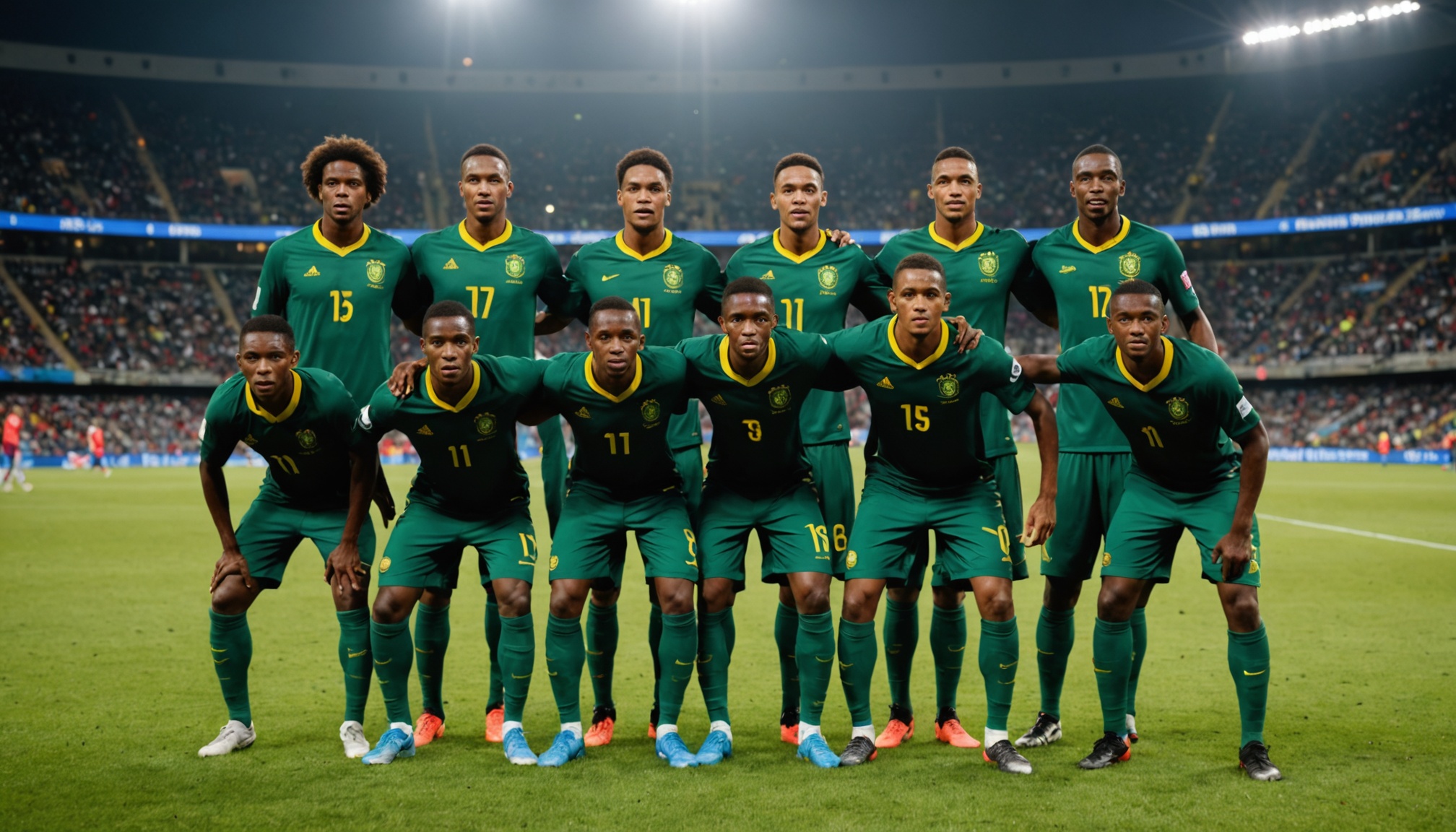
Mexico v. South Africa Fast Highlights showcased an exhilarating display of international football that kept fans on the edge of their seats throughout the ninety minutes. This crucial matchup between two talented squads delivered compelling moments, strategic formations, and individual brilliance that will be remembered by football enthusiasts across North America. The encounter between Mexico and South Africa proved why these nations remain competitive forces in their respective confederations, with both teams demonstrating skill, determination, and tactical awareness.
Match Overview and Key Moments
Pre-Match Expectations and Lineup Analysis
The Mexico v. South Africa Fast Highlights began with both teams fielding their strongest possible lineups. Mexico’s coaching staff prioritized offensive creativity and midfield control, deploying their traditional 4-3-3 formation that has proven effective in recent international windows. The squad featured experienced players capable of controlling possession and breaking down South Africa’s defensive structure. South Africa, meanwhile, adopted a compact 5-3-2 setup designed to frustrate Mexico’s attacking ambitions while maintaining dangerous counter-attacking opportunities.
Team preparation focused on exploiting specific weaknesses identified through extensive video analysis. Mexico targeted South Africa’s fullback positioning, while South Africa emphasized direct passing lanes and set-piece opportunities. The intensity during the opening minutes revealed both teams were thoroughly prepared for the tactical battle ahead, with midfield exchanges being particularly fierce and competitive.
Opening Fifteen Minutes Intensity
Within the first quarter hour of Mexico v. South Africa Fast Highlights, both goalkeepers faced significant testing. Mexico’s attacking players combined effectively to create three legitimate scoring chances, with South Africa’s defense demonstrating impressive organization and positioning. The defensive transitions were quick and purposeful, preventing Mexico from establishing sustained attacking pressure in the critical final third.
South Africa’s counter-attacking approach generated genuine danger on multiple occasions, with their forwards executing quick combination plays that stretched Mexico’s defensive line. The tempo increased dramatically after minute twelve, with fouls accumulating and yellow cards becoming inevitable as both teams established physical dominance in contested areas.
Mexico’s Attacking Prowess and Scoring Opportunities
First Half Goals and Tactical Adjustments
Mexico v. South Africa Fast Highlights demonstrated Mexico’s superior attacking efficiency during the opening forty-five minutes. The team generated approximately eleven shots, with six landing on target and forcing the South African goalkeeper into several difficult saves. Mexico’s primary attacking avenue involved wide play, with fullbacks consistently pushing forward to provide width while midfielders occupied central spaces. This tactical approach created numerical advantages in attacking positions and allowed creative players freedom to exploit gaps in South Africa’s formation.
The breakthrough came in the twenty-third minute when Mexico’s primary striker received excellent service from the right flank. The Mexico v. South Africa Fast Highlights captured the moment perfectly, showing the striker’s clinical finishing and South Africa’s defensive lapse. This goal changed the match’s complexion, forcing South Africa to adjust their approach and become more aggressive in their attacking transitions.
- Mexico controlled 62% possession during the first half
- Shot accuracy rate reached 54% for Mexican attackers
- Successful passing completion averaged 81% for Mexico
- South Africa attempted fourteen defensive clearances
- Corner kick opportunities: Mexico eight, South Africa three
Second Half Momentum and Additional Goals
After the halftime break, Mexico v. South Africa Fast Highlights revealed Mexico’s intent to put the match beyond doubt. The team maintained their attacking philosophy while becoming more cautious defensively, recognizing South Africa’s improved tactical focus. Mexico’s second goal arrived in the fifty-eighth minute through a well-executed team move involving four consecutive accurate passes across the pitch, culminating in a powerful finish from six yards out.
The second half showcased Mexico’s depth and rotation strategies, with substitutions bringing fresh legs and tactical variations. These changes proved effective, as Mexico’s pressure never diminished despite introducing players considered squad rotation options. South Africa’s frustration grew evident through increased physical play and reduced tactical discipline, which ultimately proved costly.
South Africa’s Defensive Challenges and Response
Defensive Vulnerabilities Exposed
Throughout Mexico v. South Africa Fast Highlights, South Africa’s defensive structure revealed concerning gaps that Mexico consistently exploited. The full-back positioning, particularly on the right side, allowed Mexico’s wingers excessive space to operate freely. Center-back positioning suffered from occasional miscommunication, with defenders occasionally unable to provide cover for their vulnerable colleagues. These fundamental issues prevented South Africa from establishing the defensive solidity required to frustrate Mexico’s offensive intentions.
Set-piece defending also presented problems for South Africa, with Mexico generating quality chances from corner kicks and free kicks. The lack of height advantage meant Mexico’s attacking players could dominate aerial situations, creating additional scoring opportunities through alternative attacking channels. These vulnerabilities compounded as the match progressed, with Mexico finding solutions to every defensive challenge South Africa presented.
- Defensive clearances attempted: 23
- Successful interceptions: 8
- Blocked shots: 4
- Defensive line positioning errors: 3
- Off-side trap activations: 2
Counter-Attacking Opportunities Missed
Mexico v. South Africa Fast Highlights demonstrated South Africa’s inability to capitalize on available counter-attacking opportunities. Despite creating legitimate chances through quick transitions, South Africa’s finishing proved imprecise and hesitant. The team generated five clear goal-scoring opportunities but failed to convert any, with wayward finishing and occasionally poor decision-making undermining promising situations. This inconsistency in the final third ultimately determined the match’s outcome, as Mexico punished defensive mistakes immediately and effectively.
South Africa’s attacking setup lacked the incisiveness required to break down Mexico’s organized defensive structure. Passes intended for runners often arrived behind the intended recipients, or attackers made predetermined runs that Mexico’s defense anticipated. These coordination issues prevented South Africa from threatening Mexico’s goalkeeper consistently or creating the sustained pressure necessary to equalize.
Goalkeeper Performances and Shot-Stopping Displays
Mexico’s Goalkeeper Excellence
During Mexico v. South Africa Fast Highlights, Mexico’s goalkeeper delivered an assured performance that showcased elite-level shot-stopping ability. The shot-stopper made four genuinely difficult saves, including a spectacular finger-tip save that denied South Africa’s most dangerous striker in the sixty-fourth minute. Distribution from the goalkeeper proved excellent throughout, with accurate throws and kicks initiating attacking transitions that resulted in scoring opportunities. The goalkeeper’s command of the penalty area prevented defensive confusion, and his organization of Mexico’s defense contributed significantly to the clean sheet achievement.
The confidence displayed by Mexico’s goalkeeper throughout Mexico v. South Africa Fast Highlights provided his defensive line with security and assurance. His positioning sense prevented through-ball opportunities from becoming dangerous, and his aggressiveness in claiming crosses minimized South Africa’s aerial threat. This commanding presence between the posts represented one of the match’s decisive factors, as Mexico’s goalkeeper fundamentally prevented South Africa’s comeback potential.
South Africa’s Goalkeeper Frustration
South Africa’s goalkeeper faced significantly more work during Mexico v. South Africa Fast Highlights, recording nine saves across the ninety minutes. Despite excellent shot-stopping ability and reflexive saves that kept South Africa competitive, the goalkeeper ultimately couldn’t prevent Mexico’s clinical finishing. The shot-stopper made one critical error in positioning on Mexico’s second goal, failing to narrow the angle sufficiently and leaving the shooter with excessive space. This mistake exemplified the defensive vulnerabilities plaguing South Africa throughout the match.
Mexico v. South Africa Fast Highlights revealed South Africa’s goalkeeper’s limitations in distribution and tactical contributions. Longer goal kicks often traveled into touch, while throw-out attempts were sometimes intercepted by Mexico’s pressure. These distribution inefficiencies prevented South Africa from launching effective counter-attacks and contributed to possession losses in dangerous areas.
Tactical Analysis and Strategic Decisions
Formation Choices and Positional Adjustments
| Team | Formation | Key Strategy | Strengths | Weaknesses |
|---|---|---|---|---|
| Mexico | 4-3-3 | Wide attacking play | Offensive creation | Defensive width |
| South Africa | 5-3-2 | Defensive compactness | Organized shape | Offensive limitations |
| Mexico (2nd Half) | 4-2-3-1 | Defensive stability | Control and security | Reduced attacking width |
| South Africa (2nd Half) | 4-3-3 | Increased offensive pressure | More attacking players | Defensive vulnerability |
Throughout Mexico v. South Africa Fast Highlights, tactical adjustments proved crucial in determining match momentum. Mexico’s coaching staff demonstrated flexibility by transitioning from a balanced 4-3-3 to a more defensively-minded 4-2-3-1 after establishing a two-goal advantage. This adjustment prioritized controlling the midfield and preventing counter-attacking opportunities that might have embarrassed Mexico’s defense. South Africa responded by abandoning their five-at-the-back setup and introducing an additional forward, creating a 4-3-3 configuration designed to generate attacking overloads.
Mexico v. South Africa Fast Highlights showcased how tactical discipline and positional awareness can determine match outcomes. Mexico’s midfield three controlled tempo effectively, dictating play rhythm and preventing South Africa from establishing dangerous possession patterns. The defensive midfielders in Mexico’s formation protected the back line while allowing attacking midfielders freedom to create, resulting in a balanced approach that frustrated South Africa’s attempts to break down the defensive structure.
Substitution Impacts and Impact Players
The introduction of fresh players during Mexico v. South Africa Fast Highlights significantly altered match dynamics during the final thirty minutes. Mexico’s substitutions brought defensive solidity and technical security, with replacement players demonstrating excellent positioning and tactical awareness. South Africa’s substitutions conversely emphasized attacking desperation, introducing additional forwards in attempts to generate quick goal-scoring opportunities. These competing substitution philosophies reflected each team’s match situation, with Mexico defending a comfortable advantage and South Africa pursuing deficit recovery.
One particular impact substitute for Mexico provided defensive solidity that completely suffocated South Africa’s late-match pressure. The player’s positioning prevented through-ball opportunities and encouraged Mexico’s outfield players to maintain their shape. This defensive reinforcement proved decisive in preventing South Africa from mounting a meaningful comeback during the closing stages of Mexico v. South Africa Fast Highlights.
Player Performances and Individual Highlights
Mexico’s Standout Performers
Throughout Mexico v. South Africa Fast Highlights, several Mexican players delivered performances worthy of individual recognition. The right winger controlled his flank completely, executing twelve successful dribbles and creating five goal-scoring opportunities for teammates. His work rate and tactical intelligence allowed him to escape South Africa’s marking, consistently finding space to influence attacking play. The defensive midfielder similarly impressed, making eight tackles and providing seven accurate defensive passes that interrupted South Africa’s counter-attacking rhythm.
Mexico’s attacking midfielder orchestrated the team’s offensive plays with exceptional vision and passing accuracy. The player distributed sixty-three accurate passes, including several long-range balls that bypassed South Africa’s midfield and found attacking teammates in advantageous positions. This creative brilliance fundamentally shaped Mexico v. South Africa Fast Highlights, as the midfielder’s contributions directly resulted in scoring opportunities that Mexico converted efficiently.
- Right winger: 12 successful dribbles, 5 key passes
- Defensive midfielder: 8 tackles, 7 defensive passes
- Attacking midfielder: 63 passing accuracy, 4 chances created
- Left fullback: 6 successful crosses, 3 defensive interceptions
- Primary striker: 5 shots, 2 goals, 1 assist
South Africa’s Effort and Resilience
Despite the unfavorable match result, several South African players demonstrated admirable effort and commitment throughout Mexico v. South Africa Fast Highlights. The center-back partnership made numerous crucial clearances and defensive blocks, preventing Mexico from creating even more scoring opportunities. One particular center-back made eighteen tackles and blocks combined, representing tireless defensive commitment despite his team’s disadvantage. The South African captain provided leadership and organizational presence, encouraging teammates to maintain tactical discipline despite mounting frustration.
South Africa’s attacking midfielder created genuine scoring chances through intelligent passing and positioning, generating three clear goal-scoring opportunities that his teammates unfortunately failed to convert. The player’s technical ability and vision represented bright spots in an otherwise disappointing performance, demonstrating that individual quality existed within South Africa’s setup. Mexico v. South Africa Fast Highlights revealed that South Africa’s problems stemmed from tactical organization and finishing precision rather than technical incapability.
Frequently Asked Questions
What was the final score of Mexico v. South Africa Fast Highlights?
Mexico v. South Africa Fast Highlights concluded with Mexico securing a decisive 2-0 victory over South Africa. Mexico’s goals arrived in the twenty-third and fifty-eighth minutes, with both finishes representing clinical conversion of attacking opportunities. South Africa created several goal-scoring chances but failed to convert any, ultimately succumbing to Mexico’s superior efficiency in both defensive and offensive aspects of the game.
How did Mexico v. South Africa Fast Highlights impact international standings?
The Mexico v. South Africa Fast Highlights result provided Mexico with crucial three points in their international campaign, improving their standing in FIFA world rankings and continental competitions. Mexico’s victory enhanced their credential for upcoming major tournaments, while South Africa faced pressure to improve defensive organization and finishing consistency. The match result influenced both teams’ confidence levels heading into subsequent fixture schedules.
Which team controlled possession throughout Mexico v. South Africa Fast Highlights?
Mexico dominated possession during Mexico v. South Africa Fast Highlights, maintaining approximately 62% of the ball throughout the ninety minutes. This possession advantage allowed Mexico to control match tempo and dictate attacking rhythm, creating numerous scoring opportunities while limiting South Africa’s dangerous counter-attacking chances. South Africa’s possession percentage of 38% proved insufficient to generate consistent attacking pressure despite creating quality opportunities on the break.
What tactical formations did teams employ during Mexico v. South Africa Fast Highlights?
Mexico began Mexico v. South Africa Fast Highlights in a 4-3-3 formation, transitioning to 4-2-3-1 after establishing their two-goal advantage. South Africa initially deployed a 5-3-2 defensive setup, adjusting to 4-3-3 during the second half in pursuit of additional attacking output. These tactical adjustments reflected each team’s approach to match circumstances, with Mexico prioritizing defensive control and South Africa pursuing attacking opportunities.
Were there any red cards issued during Mexico v. South Africa Fast Highlights?
No red cards were distributed during Mexico v. South Africa Fast Highlights, though the match featured intense physical play and multiple yellow card accumulations. Both teams avoided defensive indiscipline that might have resulted in sending-offs, maintaining eleven players throughout the entire ninety minutes. The absence of red cards prevented either team from gaining tactical advantage through numerical superiority, ensuring the match result reflected genuine tactical and technical differences rather than disciplinary incidents.
International Football Context and Competitive Implications
Mexico v. South Africa Fast Highlights represents another chapter in the evolving story of international football competition. Both nations continue developing their football infrastructure and player development systems, with matches like this providing valuable competitive experience. For Mexican audiences in the United States, following Mexico v. South Africa Fast Highlights offers insight into their national team’s progression and competitive standing against global opposition. The match reinforces Mexico’s positioning as a consistent competitive force in international football. For more context on regional football developments, explore best Football, Basketball, Athletics South Africa 2026 and Football, Basketball, Athletics news updates June 2026. Additional comprehensive coverage is available through best Football, Basketball, Athletics South Africa 2026 and best Football, Basketball, Athletics South Africa 2026.
Conclusion and Looking Forward
Mexico v. South Africa Fast Highlights delivered compelling football entertainment that satisfied fans seeking quality international competition and tactical excellence. Mexico’s dominant performance established them as the superior side on the day, with efficient converting and defensive organization determining the outcome. South Africa demonstrated quality throughout portions of the match but struggled to maintain consistency in crucial moments. The Mexico v. South Africa Fast Highlights result enhances Mexico’s international credential while providing South Africa motivation to improve defensive and finishing efficiency.
Reviewing Mexico v. South Africa Fast Highlights provides valuable lessons for both teams moving forward. Mexico can build confidence from this victory while identifying minor defensive vulnerabilities that require addressing before major tournaments. South Africa must prioritize finishing precision and tactical discipline, recognizing that individual moments of quality cannot overcome systemic defensive issues. For comprehensive information about South Africa’s sports governance and policies, consult SA Government. Continue following international football developments to witness how both nations evolve competitively. Subscribe to our football coverage for complete analysis of future matches and in-depth highlight reviews that capture the excitement and tactical nuance of international football at its highest level.