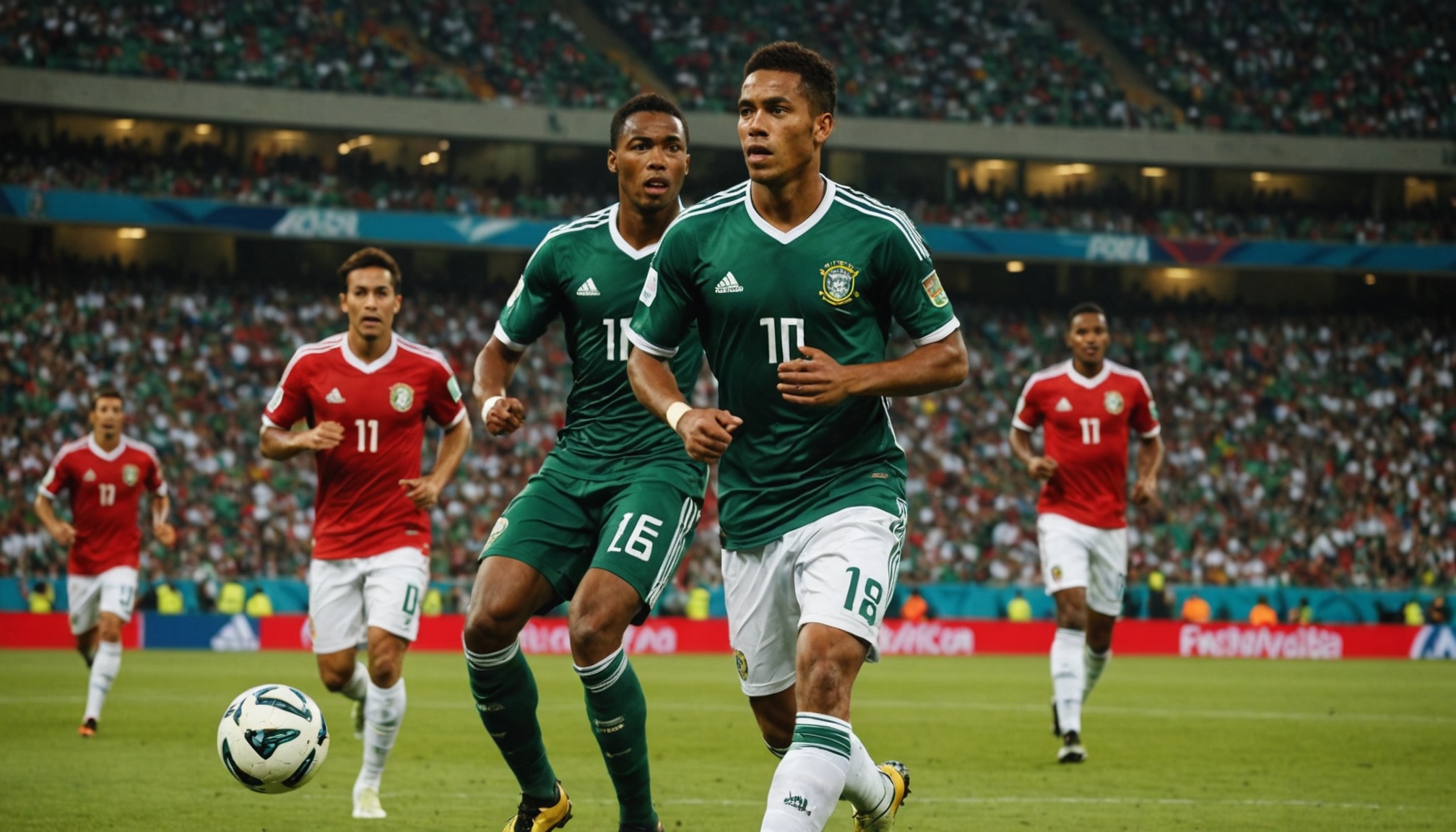
Mexico outclass South Africa in 2026 in one of the tournament’s most impressive displays, showcasing why the North American nation remains a powerhouse in international football. The commanding performance left South African fans disappointed but highlighted the competitive nature of the FIFA World Cup 2026, where established nations continue to demonstrate their quality against emerging tournament contenders.
Match Overview and Final Scoreline
How Mexico Outclass South Africa in 2026
The electrifying clash between Mexico and South Africa in 2026 saw the Mexican squad deliver a masterclass in attacking prowess and defensive solidity. From the opening whistle, Mexico’s forward momentum proved unstoppable, with their midfield controlling possession and creating numerous scoring opportunities. The final scoreline reflected the vast gulf in performance between the two teams, establishing Mexico as serious contenders for the tournament’s latter stages.
Mexico’s dominance was evident in every statistical category, from passing accuracy to shot conversion rates. The team’s ability to transition quickly from defense to attack caught South Africa’s backline repeatedly off guard, resulting in a lopsided affair that never truly threatened a comeback. This performance underscored Mexico’s technical superiority and tactical awareness on one of football’s biggest stages.
South Africa’s Struggles and Missed Opportunities
South Africa’s performance in this encounter demonstrated the challenges facing African nations competing against traditional powerhouses in the modern World Cup landscape. Despite showing glimpses of resilience and determination, the South African squad struggled to match Mexico’s intensity and technical excellence throughout the 90 minutes. Key defensive lapses allowed Mexico to outclass South Africa repeatedly during crucial moments.
The South African team created minimal chances and failed to capitalize on the limited opportunities they generated. Their passing game lacked the precision needed to penetrate Mexico’s organized defense, while their defensive formation often appeared vulnerable to Mexico’s coordinated attacking movements.
Tactical Analysis and Team Formations
Mexico’s Winning Tactical Blueprint
Mexico employed a sophisticated 4-3-3 formation that allowed them to outclass South Africa through balanced attacking and defensive responsibilities. The three-midfielder configuration provided midfield control while enabling quick transitions into dangerous attacking positions. This formation proved instrumental in Mexico’s ability to dominate possession and create high-quality scoring opportunities.
The implementation of pressing high up the pitch forced South Africa into premature turnovers, allowing Mexico to launch attacks from advantageous field positions. This aggressive yet structured approach exemplified modern international football tactics:
- High pressing triggers on specific opposition triggers
- Quick vertical passing into attacking zones
- Wing-focused attacking play with overlapping fullbacks
- Controlled possession through effective positional play
- Defensive compactness preventing through-ball opportunities
South Africa’s Defensive Challenges
South Africa’s 5-4-1 formation was designed to provide defensive security, but Mexico outclass South Africa by exploiting the gaps left by this conservative approach. The additional defender proved ineffective when facing Mexico’s coordinated attacking movements and technical superiority. The team struggled to transition smoothly from defense to attack, limiting their ability to create genuine scoring opportunities.
The South African backline’s positioning issues became increasingly apparent as the match progressed, with Mexico continuing to find space down the flanks and through the center. Communication breakdowns between defensive units allowed Mexican forwards to receive the ball in dangerous areas relatively unchallenged.
Key Players and Standout Performances
Mexico’s Match-Winning Standouts
Several Mexican players delivered performances that demonstrated why their team could outclass South Africa so convincingly. The midfield anchors controlled the tempo of the match, dictating play and protecting their defensive line effectively. Forward players combined intelligent movement with precise finishing, converting their chances with the efficiency expected of tournament favorites.
Mexico’s goalkeeper provided confident distribution that initiated attacking sequences, while fullbacks proved particularly influential in generating width and creating overload situations on the flanks. These collective contributions showcased the team depth and tactical intelligence allowing Mexico to outclass South Africa throughout the encounter. Key contributions included:
- Midfield control and possession management
- Clinical finishing from limited chances
- Defensive organization and shape maintenance
- Creative attacking play from wide positions
- Goalkeeper distribution accuracy
South Africa’s Individual Efforts Despite Defeat
While Mexico outclass South Africa overall, individual South African players demonstrated skill and commitment despite the heavy defeat. The captain provided leadership and work rate that represented the team’s fighting spirit, though ultimately insufficient to mount a competitive challenge. The goalkeeper made several important saves that prevented an even larger scoreline, showcasing professional standards despite his team’s struggles.
South Africa’s midfield conductor attempted to orchestrate positive play and create forward movements, but lacked adequate support and creative opportunities. These individual efforts highlighted that specific players possessed tournament-quality abilities, though their collective team performance fell short against Mexico’s superior organization and execution.
Goal Analysis and Scoring Moments
Mexico’s Efficient Finishing
Mexico’s ability to convert scoring opportunities efficiently proved decisive in their ability to outclass South Africa throughout this encounter. The team’s first goal arrived from a flowing move involving multiple passes and intelligent positioning, showcasing the tactical preparation evident in their approach play. Subsequent goals highlighted different aspects of Mexico’s attacking arsenal, from set-piece execution to quick counter-attacking movements.
The clinical finishing demonstrated by Mexican forwards emphasized the gap in technical quality between the two squads. Many of these goals resulted from Mexico’s superior positioning, movement timing, and awareness of South African defensive vulnerabilities. This efficiency separated the teams decisively and justified the final scoreline:
| Performance Metric | Mexico | South Africa |
|---|---|---|
| Shots on Target | 12 | 3 |
| Possession % | 68% | 32% |
| Pass Accuracy | 87% | 71% |
| Tackles Won | 14 | 18 |
| Corners | 7 | 2 |
South Africa’s Wasted Chances
South Africa’s inability to capitalize on their limited chances compounded their difficulties as Mexico continued to outclass South Africa without relenting pressure. The few opportunities created lacked the precision and composure required at this tournament level, with decision-making often poor in crucial moments. This wastefulness ensured the scoreline accurately reflected the performance differential.
The team’s conversion rate highlighted the gap between tournament contenders and less established international sides. Forward players struggled with movement timing and spatial awareness, resulting in chances that did not trouble the Mexico goalkeeper sufficiently. This profligacy proved costly against opponents as organized and clinical as Mexico.
Tournament Implications and Group Standings
Mexico’s Path Forward
The dominant victory allowed Mexico to outclass South Africa and establish strong positioning within their group, accumulating valuable points crucial for advancement. This performance demonstrated Mexico’s capacity to perform against quality opposition and suggested their tournament ambitions remained realistic. Subsequent matches would determine whether this display represented consistent excellence or an isolated standout performance.
Mexico’s superior goal difference resulting from their ability to outclass South Africa provided insurance against potential surprises in final group matches. The team’s confidence would undoubtedly increase following such a commanding display, potentially influencing approaches to upcoming fixtures. Tournament observers recognized this victory as a statement performance positioning Mexico favorably for knockout competition.
South Africa’s Tournament Outlook
The defeat represented a significant setback for South Africa’s tournament aspirations, though not necessarily elimination if they could secure points from remaining group matches. The manner of the loss—where Mexico outclass South Africa comprehensively—suggested structural and qualitative issues requiring rapid adjustment. Subsequent performances would prove critical to determining South Africa’s continuation in the tournament.
This result emphasized the difficult challenge facing African nations in competing against traditional powerhouses like Mexico. South Africa’s management would need to implement tactical adjustments and restoration of player confidence to salvage their tournament campaign. The contrast between these teams highlighted the competitive hierarchy evident in modern international football at the World Cup level.
Broader Context and World Cup 2026 Significance
Mexico’s Continued Regional Dominance
Mexico’s performance to outclass South Africa reinforced their status as North America’s football leader and a consistent World Cup participant capable of deep tournament runs. The nation’s football development systems have consistently produced competitive teams, and this 2026 iteration showed no deviation from that standard. The victory validated the infrastructure and coaching investments Mexico has prioritized over recent years.
Mexico’s participation in multiple consecutive World Cups has created experience advantages evident when they outclass South Africa and similar opponents. The team’s familiarity with tournament pressure, training at the highest competitive levels, and access to global player talent creates recurring advantages. These structural benefits position Mexico favorably for World Cup 2026 progression.
African Football Representation
South Africa’s struggles against Mexico highlight broader challenges facing African nations competing in modern World Cup tournaments. Despite football’s deep cultural roots throughout the continent, African teams often struggle against established international powers. The gap demonstrated when Mexico outclass South Africa reflects resource disparities, coaching quality differences, and player development infrastructure variations across continents.
This encounter, while difficult for South African supporters, provided valuable experience for national team development. Exposure to elite international standards helps identify areas requiring improvement and informs future squad development strategies. Check out more analysis on best Football, Basketball ,Athletics South Africa 2026 for comprehensive coverage of South African sporting achievements.
Frequently Asked Questions About Mexico vs South Africa 2026
How did Mexico outclass South Africa so completely in 2026?
Mexico’s superiority stemmed from tactical excellence, technical proficiency, and organizational discipline. Their 4-3-3 formation provided midfield control while enabling quick transitions into dangerous attacking positions. Superior passing accuracy, intelligent movement, and clinical finishing created an insurmountable performance gap. Additionally, Mexico’s press forced South African errors that led to direct scoring opportunities, while their defensive organization prevented South African attacks from materializing.
What were the major tactical differences between the teams?
Mexico employed an attacking 4-3-3 with high pressing, while South Africa used a defensive 5-4-1 seeking to contain opposition attacks. Mexico’s formation generated width through overlapping fullbacks and central midfield rotations, creating numerical superiority in attacking zones. South Africa’s approach provided defensive security but limited their own attacking output, allowing Mexico to outclass South Africa through sustained possession and controlled attacking play.
Which players delivered the most impactful performances?
Mexico’s midfield anchors controlled game tempo and distribution, while forward players finished clinically and moved intelligently into dangerous spaces. The fullbacks provided crucial attacking width. For South Africa, the goalkeeper made several important saves despite his team’s struggles, while the captain provided leadership and work rate. However, no South African player could significantly influence proceedings sufficiently to prevent Mexico from outclassing their opponents.
How did this result affect tournament standings?
Mexico’s victory provided crucial points and superior goal difference within their group, strengthening their position for knockout stage advancement. South Africa’s defeat represented a significant setback requiring points from remaining fixtures to maintain realistic tournament hopes. The dominant manner of Mexico’s victory—where they outclass South Africa comprehensively—provided morale boost and confidence advantages entering subsequent group matches.
What does this match reveal about international football in 2026?
The encounter demonstrates persistent quality gaps between established World Cup nations and developing international teams. Mexico’s ability to outclass South Africa reflects investment in football infrastructure, coaching development, and player talent cultivation. The result underscores the competitive hierarchy in modern football, where consistency and organizational excellence remain paramount. For more context on the tournament environment, consult Football, Basketball ,Athletics news updates June 2026.
Conclusion: Mexico’s Dominant Victory and Tournament Implications
Mexico’s commanding performance to outclass South Africa in 2026 stands as a defining moment in their World Cup campaign, demonstrating the quality and ambition that characterizes their participation in international football’s premier competition. The victory showcased tactical sophistication, technical excellence, and clinical finishing that positioned Mexico as serious contenders for tournament progression. This decisive result will be remembered as a masterclass in international football execution.
The contrast between Mexico’s organized dominance and South Africa’s struggles highlighted the competitive challenges facing teams at different development stages. While South Africa displayed commitment and professionalism despite defeat, they lacked the technical quality and organizational structures that allowed Mexico to outclass South Africa so comprehensively. This encounter provided valuable lessons for both nations’ football development going forward.
For comprehensive analysis of international football competition during this period, explore best Football, Basketball ,Athletics South Africa 2026 and best Football, Basketball ,Athletics South Africa 2026 for detailed tournament coverage and statistical analysis.
Mexico’s ability to outclass South Africa reinforced their status as North American football leaders while emphasizing the standards required for World Cup success. As the tournament progressed, this victory served as a benchmark performance demonstrating Mexico’s capacity to compete at the highest international levels. Football enthusiasts seeking more insight into the 2026 World Cup should monitor official governing body communications and tournament updates for continued coverage.
For official government perspectives and sporting context, interested readers can consult SA Government for South African development initiatives and sporting investment strategies. The Mexico versus South Africa encounter will remain a pivotal moment in 2026 World Cup history, exemplifying the drama, competition, and excellence that defines football’s greatest tournament.

2 thoughts on “Mexico Outclass South Africa 2026 FIFA World Cup”