World Cup has kicked off as the most anticipated international football tournament of the year gets underway with thrilling matches, intense rivalries, and unforgettable moments. Fans across the United States are preparing for an exciting journey as top teams compete for the prestigious title. Whether you’re a seasoned soccer enthusiast or a casual viewer, this tournament promises spectacular performances, dramatic comebacks, and the kind of athletic excellence that makes the World Cup the most-watched sporting event globally.
Understanding the Tournament Structure and Format
Group Stage Overview and Competition Format
The World Cup has kicked off as nations enter the group stage, where teams are divided into equal pods and compete against each other in a round-robin format. Each team plays three matches during the group phase, earning three points for a victory, one point for a draw, and zero points for a loss. The top two teams from each group advance to the knockout rounds, where the competition intensifies and every match becomes do-or-die. This format has been refined over decades to ensure fairness while maintaining the excitement that fans crave.
Understanding the mechanics of the group stage is crucial for following the tournament effectively. The World Cup has kicked off as fans quickly realize that even small details matter—goal differential, head-to-head records, and total goals scored become tiebreakers that can determine which teams advance. Teams must balance aggressive attacking play with defensive stability, knowing that a single loss can dramatically impact their advancement chances. The tactical diversity displayed during the group stage often sets the tone for the entire tournament.
Knockout Rounds and Advancement Criteria
Once the group stage concludes, the World Cup has kicked off as the intensity escalates dramatically in the knockout rounds. The Round of 16 features the top two teams from each group, leading to unpredictable matchups that frequently produce stunning upsets. Teams that dominated their group stage may struggle against fresh opponents, while underdog nations sometimes find their rhythm when it matters most. The knockout format eliminates any margin for error—one mistake, one moment of brilliance, or one penalty shootout can end a team’s championship dreams.
The progression from Round of 16 through the quarterfinals, semifinals, and ultimately the final represents the pinnacle of international football competition. World Cup has kicked off as players dig deeper into their reserves of physical endurance and mental fortitude. The World Cup has kicked off as supporters worldwide experience the full spectrum of emotions—jubilation, heartbreak, tension, and pride. Each knockout match tells a unique story, and the narratives that emerge often define careers and inspire future generations of footballers.
Top Contenders and Powerhouse Teams
Traditional Favorites and Historic Contenders
The World Cup has kicked off as traditional powerhouses take the field with championship aspirations. Teams like Brazil, Germany, France, Argentina, and Spain bring decades of World Cup experience and deep benches of world-class talent. Brazil’s attacking flair, Germany’s tactical precision, France’s recent dominance, Argentina’s resilience, and Spain’s possession-based philosophy all contribute to their status as favorites. These nations have invested heavily in youth development, training infrastructure, and coaching expertise that compounds their advantages over less-resourced programs.
Each traditional favorite enters the tournament with specific strategic approaches and player combinations designed to execute their football philosophy at the highest level. The World Cup has kicked off as these teams demonstrate why they’ve become perennial contenders. Their players earn massive salaries at elite European clubs, train under world-renowned coaches, and benefit from systematic development programs that identify talent early and nurture it through competitive pathways. The experience accumulated through previous tournaments provides invaluable psychological advantages when crucial moments arise.
- Brazil brings attacking creativity and individual brilliance
- Germany emphasizes team cohesion and tactical discipline
- France combines physical athleticism with technical excellence
- Argentina features veteran leadership and championship experience
- Spain maintains possession-based, technical football traditions
Rising Nations and Emerging Powerhouses
The World Cup has kicked off as newer contenders challenge traditional hierarchies with impressive recent performances and emerging talent pools. Belgium, Netherlands, Portugal, England, and Uruguay represent nations that have strengthened significantly in recent years, recruiting talented players from around the world and implementing modern tactical innovations. These emerging powerhouses have demonstrated they can compete equally with traditional favorites, winning critical matches and generating genuine championship momentum.
These rising nations benefit from globalization in football, where talent scouts identify promising players across continents and develop them within European competitive structures. Many players representing these countries earn their living at prestigious clubs, gaining experience against the world’s elite opponents regularly. The World Cup has kicked off as these nations showcase the results of comprehensive development strategies and shrewd transfer market investments.
| Team | Last World Cup Result | Key Strength | Primary Challenge |
|---|---|---|---|
| France | Champions (2018) | Balanced team depth | Maintaining consistency |
| Brazil | Quarterfinals (2018) | Attacking creativity | Defensive stability |
| Belgium | Semifinals (2018) | Player quality | Team cohesion |
| England | Semifinals (2020 Euro) | Young talent | Delivering under pressure |
Key Players and Individual Superstars
Established Legends and Veterans
The World Cup has kicked off as football’s greatest contemporary players take center stage to pursue their ultimate championship dreams. Legendary performers who have dominated their respective leagues for over a decade bring unparalleled experience and proven ability to perform in high-pressure situations. These veterans understand the mental demands of tournament football, having experienced victories, defeats, and the emotional rollercoaster that accompanies weeks of intense competition. Their presence provides stability and inspiration to younger teammates navigating the pressures of global competition.
These established superstars have accumulated numerous individual accolades—Ballon d’Or awards, continental championships, and scoring records that define eras of football. The World Cup has kicked off as fans anticipate witnessing their favorite players potentially claim the one major trophy that has eluded some of them throughout their careers. The urgency accompanying potentially their final World Cup appearance creates compelling narrative threads that captivate global audiences.
Young Talents and Future Superstars
Alongside veteran performers, the World Cup has kicked off as exciting young talents burst onto the global stage, showcasing the potential that will define football for decades to come. Players in their early twenties demonstrate technical brilliance, physical capabilities, and mental maturity that suggest they will dominate the sport for years to come. These rising stars often produce unexpected moments of individual brilliance that astonish observers and announce their arrival as potential future champions.
The competition provides an invaluable platform for young players to gain experience against the world’s elite performers while the global audience watches their development. The World Cup has kicked off as scouts, coaches, and team executives carefully evaluate these emerging talents, identifying which players will anchor championship teams in subsequent tournaments. For many young footballers, the World Cup represents the breakthrough moment that transforms promising prospects into established superstars.
Tournament Atmosphere and Fan Experience
Stadium Environments and Crowd Energy
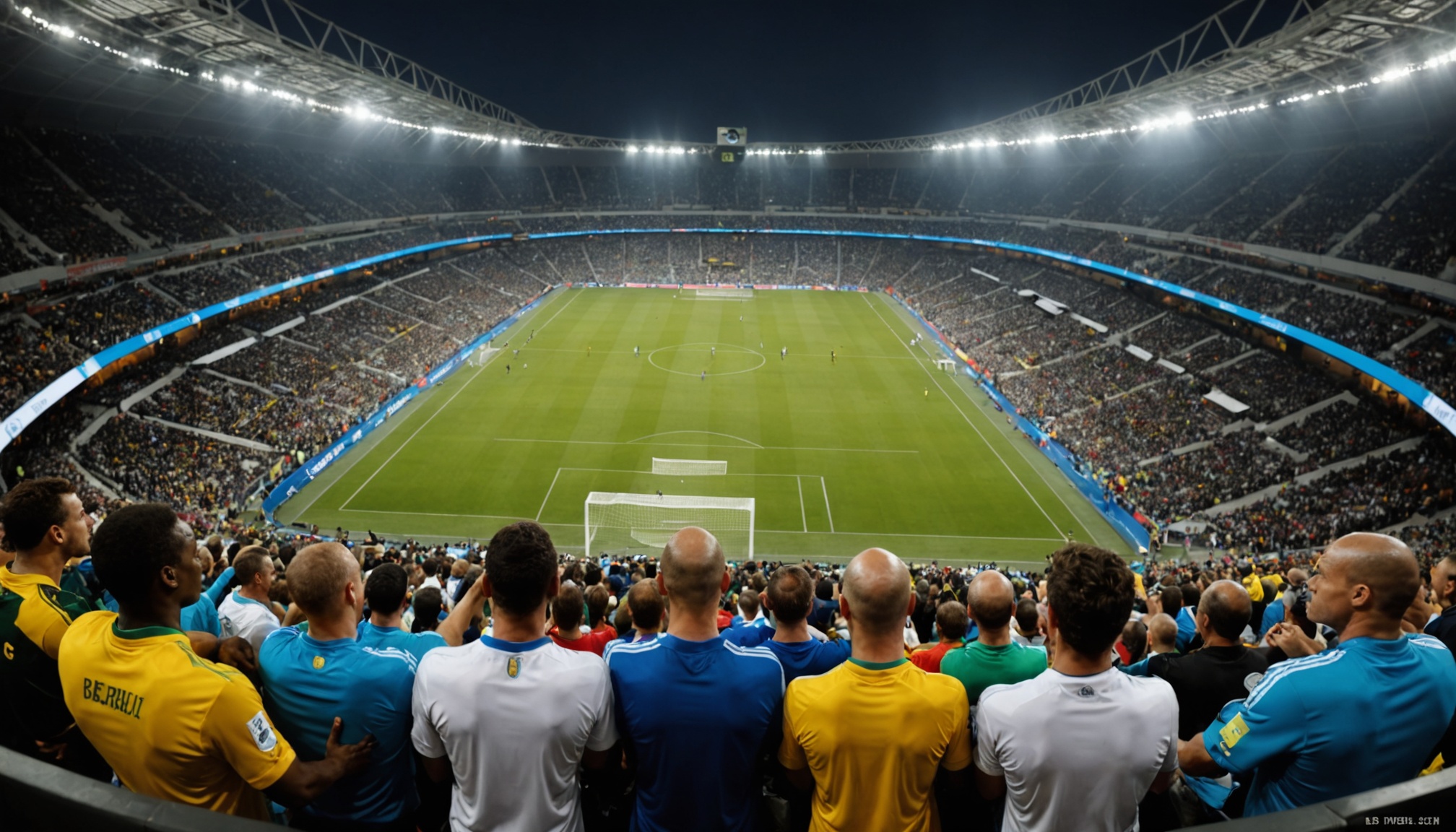
The World Cup has kicked off as supporters from around the world converge on host nation stadiums to create unforgettable atmospheres that elevate performances and inspire extraordinary displays of athletic skill. The energy generated by passionate fans transforms football matches into communal celebrations where national pride, family bonds, and shared identity become tangible forces influencing the competition. Modern stadiums feature advanced facilities that accommodate hundreds of thousands of spectators while state-of-the-art sound systems amplify the collective voice of supporters encouraging their teams.
The roar of stadium crowds when their team scores creates moments of pure euphoria that define the tournament experience for participants and observers alike. World Cup has kicked off as fans sing national anthems, wave flags, and engage in coordinated displays of support that span continents and connect millions of people through shared passion for football. The atmosphere at matches frequently becomes so intense that players acknowledge it as a significant factor influencing their performances, with home-nation advantages providing measurable psychological benefits.
- Advanced audio-visual technology enhances spectator experience
- Organized supporter sections create synchronized chants and displays
- Security infrastructure maintains safety while facilitating passionate support
- Pre-match festivities build anticipation and celebration
- Post-match celebrations create lasting memories for supporters
Global Viewership and Media Coverage
The World Cup has kicked off as billions of people worldwide tune in to watch matches across multiple time zones, making it the most-watched sporting event on the planet. Television networks, streaming platforms, and digital media outlets provide comprehensive coverage that allows fans to follow every match, analyze replays, and engage in global conversations about performances and outcomes. The tournament generates unprecedented media attention, with sports journalists, commentators, and analysts providing context, criticism, and celebration of the football on display.
Media coverage extends far beyond match broadcasts, encompassing pre-tournament analysis, player interviews, expert predictions, and detailed statistical breakdowns. The World Cup has kicked off as content creators leverage social media platforms to share highlights, celebrate moments, and facilitate worldwide conversations about the tournament. For American audiences particularly, the World Cup represents an opportunity to connect with global football communities and experience the sport’s unifying power across cultural and geographical boundaries. For more comprehensive sports coverage, check out best Football, Basketball ,Athletics South Africa 2026 and stay updated with Football, Basketball ,Athletics news updates June 2026.
Tactical Innovations and Strategic Approaches
Modern Formation Evolution and System Development
The World Cup has kicked off as teams employ sophisticated tactical systems that have evolved dramatically over the past decade. Traditional formations like 4-3-3 and 4-2-3-1 remain popular, but innovative coaches have introduced fluid systems that adapt based on possession and defensive situations. Modern teams frequently shift between multiple formations during individual matches, confusing opponents while maximizing their own tactical advantages. The sophistication of modern tactical approaches requires extensive training and excellent communication among players who must execute complex positional movements under extreme pressure.
Video analysis technology allows coaches to prepare extensively, studying opponent patterns and identifying vulnerabilities that can be exploited through carefully planned tactical approaches. The World Cup has kicked off as teams demonstrate the results of meticulous preparation, with every movement and positioning decision reflecting weeks of training and strategic planning. Coaches employ specialized analysts who identify trends in opponent behavior, allowing their teams to anticipate plays and react more quickly than opponents expecting.
Ball Possession and Pressing Strategies
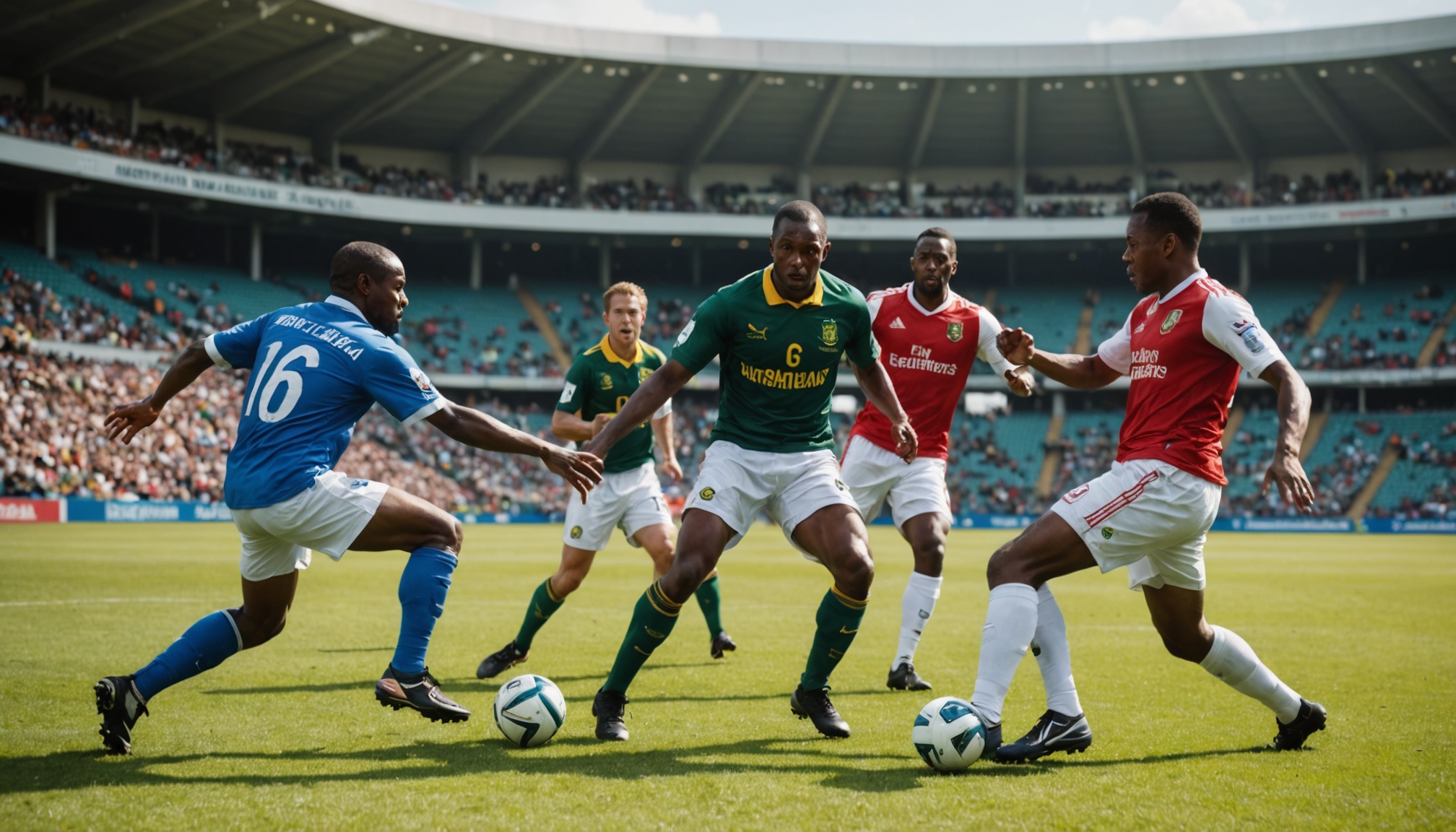
Modern teams employ high-intensity pressing strategies that attempt to regain possession in attacking areas rather than defending passively. The World Cup has kicked off as teams equipped with athletic midfielders and forwards coordinate complex pressing schemes that restrict opponent space and force turnovers in dangerous positions. Teams maintaining higher possession percentages generally control matches more effectively, dictating pace and limiting opponent opportunities for counterattacks.
Different tactical philosophies emphasize various approaches to possession and defensive structure. Some teams prioritize possession retention, believing that controlling the ball prevents opponents from creating threatening situations. Other teams accept lower possession percentages while emphasizing defensive organization and efficient counterattacking. The World Cup has kicked off as viewers witness how different tactical philosophies compete, with successful teams often adapting their approaches based on opponent strengths and weaknesses. For additional tactical analysis and football insights, visit best Football, Basketball ,Athletics South Africa 2026.
- Possession retention builds team confidence and match control
- High pressing regains balls in attacking positions
- Defensive organization prevents high-quality opponent chances
- Transition speed exploits defensive vulnerabilities
- Set-piece execution provides alternative scoring opportunities
Tournament Impact and Cultural Significance
National Pride and Identity Expression
The World Cup has kicked off as nations use international football competition to express collective identity and national pride. Teams represent countries on the global stage, carrying expectations and hopes of millions who view the tournament as more than athletics—it symbolizes national strength, cultural values, and collective identity. Victories generate national celebrations, while defeats produce genuine communal grief. The tournament transcends sport, becoming a cultural phenomenon where performance on the football pitch directly connects to national standing and pride.
For many countries, particularly those with challenging economic circumstances or political instability, World Cup success provides citizens with joy, unity, and a sense of national accomplishment that extends far beyond football. The World Cup has kicked off as nations rally behind their teams, viewing football performance as representation of their country’s capabilities and character. Players become national heroes whose achievements inspire youth and provide role models for millions seeking to escape difficult circumstances through sports excellence.
Economic and Infrastructure Development
Host nations invest enormous resources preparing for the World Cup, constructing stadiums, improving transportation infrastructure, and developing facilities that benefit host communities long after tournament conclusion. The World Cup has kicked off as construction projects provide employment, training, and opportunities for local workforces while modernizing host nation infrastructure. Tourism spending, broadcasting rights sales, and sponsorship revenue generate substantial income for host nations and organizations, though careful planning is necessary to ensure tournament benefits reach beyond wealthy elites.
The legacy of World Cup hosting extends years beyond tournament conclusion, with stadiums serving as venues for domestic competitions and cultural events. Infrastructure improvements including transportation networks, accommodation facilities, and communication systems benefit host nation populations and improve regional connectivity. The World Cup has kicked off as host nations balance celebration of tournament success with ensuring that development benefits support long-term community improvement rather than creating lasting debts. For government-related infrastructure information, visit SA Government for comprehensive resources.
Frequently Asked Questions About World Cup Tournament
How Often Does the World Cup Tournament Occur?
The FIFA World Cup takes place every four years, with the tournament held in different host nations each cycle. This four-year schedule allows teams adequate preparation time between tournaments while distributing hosting opportunities across multiple nations. The cycle aligns with Olympic Games timing, making it easy for global audiences to remember World Cup timing. This consistent schedule has been maintained since the tournament’s inception in 1930, creating a predictable rhythm that fans worldwide anticipate.
Which Teams Have Won the Most World Cup Championships?
Brazil holds the record with five World Cup victories, more than any other nation. Germany and Italy have each won four championships, while France and Uruguay have won two apiece. Argentina claimed victory in 1978 and 1986, establishing themselves as a traditional powerhouse. Multiple teams have won once, and many quality nations have never captured the championship despite deep tournament runs and excellent performances. Recent dominance by European nations contrasts with historical South American success, reflecting shifts in global football development and resources.
How Do Teams Qualify for World Cup Tournament Participation?
Teams qualify for the World Cup through regional qualifying tournaments that take place over approximately two years preceding the tournament. Each geographic confederation receives allocated spots in the final tournament—UEFA (Europe) receives the most spots, followed by AFC (Asia), CAF (Africa), CONMEBOL (South America), CONCACAF (North and Central America and Caribbean), and OFC (Oceania). Teams earn qualification through league play within their region, with top-finishing teams advancing to the World Cup while others are eliminated. Qualifying tournaments feature over 200 national teams competing for roughly 32 spots in the final tournament, making qualification extremely competitive.
What Explains Home Nation Advantages in World Cup Tournaments?
Host nations benefit from playing matches in familiar stadiums where supporters create advantageous atmospheres and players avoid travel fatigue. The home team advantage in football is well-documented, with statistics showing home teams win approximately 50-55% of matches compared to 25-30% for away teams, with draws comprising the remaining 15-20%. Host nations utilize training facilities extensively, maintain familiar routines, and benefit from crowd support that influences referees’ decisions through unconscious bias. However, World Cup success requires exceptional team quality regardless of host status, as many host nations have failed to advance from group stages despite home advantages.
How Are World Cup Match Outcomes Determined if Games End in Draws?
During group stage matches, draws are acceptable results—both teams receive one point. In knockout tournaments, draws trigger additional time play, where teams continue competing for 30 minutes. If teams remain tied after extra time, the match proceeds to a penalty shootout where each team takes five penalty kicks alternately. If penalties remain tied after five rounds, sudden-death penalties continue until one team scores while the other fails. Penalty shootouts are dramatic and often determine tournament advancement through individual skill execution and psychological pressure, creating some of football’s most memorable moments.
Conclusion and Tournament Anticipation
The World Cup has kicked off as the world’s greatest football spectacle unfolds, delivering the drama, excellence, and passion that have captivated global audiences for generations. From group stage battles to knockout drama, from legendary veterans pursuing final championship dreams to emerging young talents announcing their arrival on the world stage, the tournament encompasses everything that makes international football compelling. The World Cup has kicked off as players and teams demonstrate the tactical sophistication, physical conditioning, and mental fortitude required to compete at football’s highest level.
For American audiences, the World Cup offers an extraordinary opportunity to engage with global football communities, experience the sport’s unifying power, and witness athletic excellence that transcends cultural and geographical boundaries. Whether you follow your national team, support adopted favorites, or simply appreciate high-quality football, the tournament provides weeks of entertainment and unforgettable moments. The World Cup has kicked off as fans worldwide prepare for the journey ahead—a journey filled with celebration, heartbreak, surprise, and memories that will endure long after the final whistle sounds.
Don’t miss a moment of this incredible tournament. Engage with communities of fellow fans, follow detailed coverage and analysis, and experience the global phenomenon that makes the World Cup football’s premier event. The tournament continues to evolve while maintaining the fundamental appeal that has made it the world’s most-watched sporting competition. For comprehensive tournament coverage and additional sports information, explore best Football, Basketball ,Athletics South Africa 2026 and remain connected to football’s most important conversation worldwide.