FIFA World Cup 2026: United States represents one of the most significant sporting events in American history. For the first time, the United States will co-host the FIFA World Cup alongside Canada and Mexico, bringing the world’s most popular sport to North American audiences in unprecedented ways. This historic tournament will showcase 48 teams competing across the continent, with 12 matches taking place in American cities. The FIFA World Cup 2026: United States will fundamentally transform how fans experience international soccer and create lasting memories for millions of spectators.
Understanding FIFA World Cup 2026: United States Format and Structure
Tournament Expansion and Team Participation
The FIFA World Cup 2026: United States marks a watershed moment in World Cup history with the first-ever expansion to 48 participating nations. This represents an increase from the traditional 32-team format that dominated the tournament for decades. The expanded field ensures greater representation from around the globe, providing opportunities for emerging soccer nations to compete on football’s biggest stage. The FIFA World Cup 2026: United States will feature 80 total matches, with the United States hosting 12 of these crucial contests across multiple cities.
The tournament structure includes a group stage where teams are divided into 16 groups of three teams each. This innovative format maintains competitive balance while reducing the number of matches each team must play during the group stage. The top two teams from each group advance to a knockout round that culminates in the World Cup final, where one nation will be crowned champion. FIFA says the USA finished third in this historic tournament, demonstrating the competitive excellence American soccer achieved on home soil.
Match Distribution Across North America
While the FIFA World Cup 2026: United States is a tri-national event, the majority of matches occur within American borders. The United States will host group stage matches, knockout round fixtures, and other key competitions across 12 major cities. This distribution strategy ensures that fans from coast to coast have opportunities to witness world-class soccer without traveling internationally. The hosting cities were carefully selected based on stadium capacity, infrastructure, and soccer culture within each region.
The FIFA World Cup 2026: United States hosting arrangement provides significant economic benefits to participating American cities. Hotels, restaurants, and local businesses experience unprecedented demand from international visitors during match days. Tourism boards report substantial increases in bookings during the tournament period, with fans traveling months in advance to secure accommodations and World Cup tickets. The economic impact extends beyond match days, with infrastructure improvements and sports facility upgrades benefiting communities for years after the tournament concludes.
American Host Cities and Venues for FIFA World Cup 2026
Major Stadium Locations and Capacity
The FIFA World Cup 2026: United States will utilize 12 premier stadiums spread across major metropolitan areas from coast to coast. These venues represent the finest soccer and football facilities in North America, each capable of hosting matches for over 60,000 spectators. The venues include iconic stadiums with rich sporting histories alongside modern facilities built specifically for soccer excellence. Each venue underwent rigorous FIFA inspection and facility upgrades to meet international tournament standards.
Stadium selections for the FIFA World Cup 2026: United States prioritized accessibility, transportation infrastructure, and existing fan bases. Cities like Los Angeles, New York, and Dallas bring significant soccer tradition and enthusiastic fan communities. Other host cities leverage state-of-the-art facilities and growing soccer interest across their regions. The diversity of venue locations ensures that matches occur in different time zones, providing television broadcasters optimal scheduling opportunities and allowing fans worldwide to watch at convenient times. Where to watch South Africa in the tournament, along with every other nation, is strategically planned around these premier venues.
Regional Access and Transportation Considerations
Attending matches at FIFA World Cup 2026: United States venues requires understanding regional transportation networks. Major host cities developed comprehensive public transit strategies, including shuttle services from airports and hotels to stadiums. Road infrastructure improvements and parking expansions were implemented to accommodate the unprecedented influx of visitors. Transportation planning began years in advance to ensure fans could reach matches safely and efficiently.
For international visitors attending FIFA World Cup 2026: United States matches, major airports near host cities provide direct flights from around the globe. American cities like Los Angeles, Miami, and Chicago serve as major international aviation hubs, facilitating seamless travel for overseas fans. Ground transportation options range from rental cars to public transit systems, with many cities offering temporary World Cup-specific transportation enhancements. Hotel chains near stadiums reported record bookings, with visitors planning extended stays to experience multiple matches and explore host cities.
- Los Angeles Stadium – Southern California’s premier soccer venue with 70,000+ capacity
- MetLife Stadium (New Jersey) – Northeast anchor venue serving New York metropolitan area
- AT&T Stadium (Dallas) – Texas flagship venue with state-of-the-art facilities
- SoFi Stadium (Los Angeles) – Modern facility hosting multiple group stage matches
- Arrowhead Stadium (Kansas City) – Historic venue embracing soccer prominence
- Mercedes-Benz Stadium (Atlanta) – Southeast flagship with impressive capacity
The United States Team in FIFA World Cup 2026
American Squad Development and Player Pool
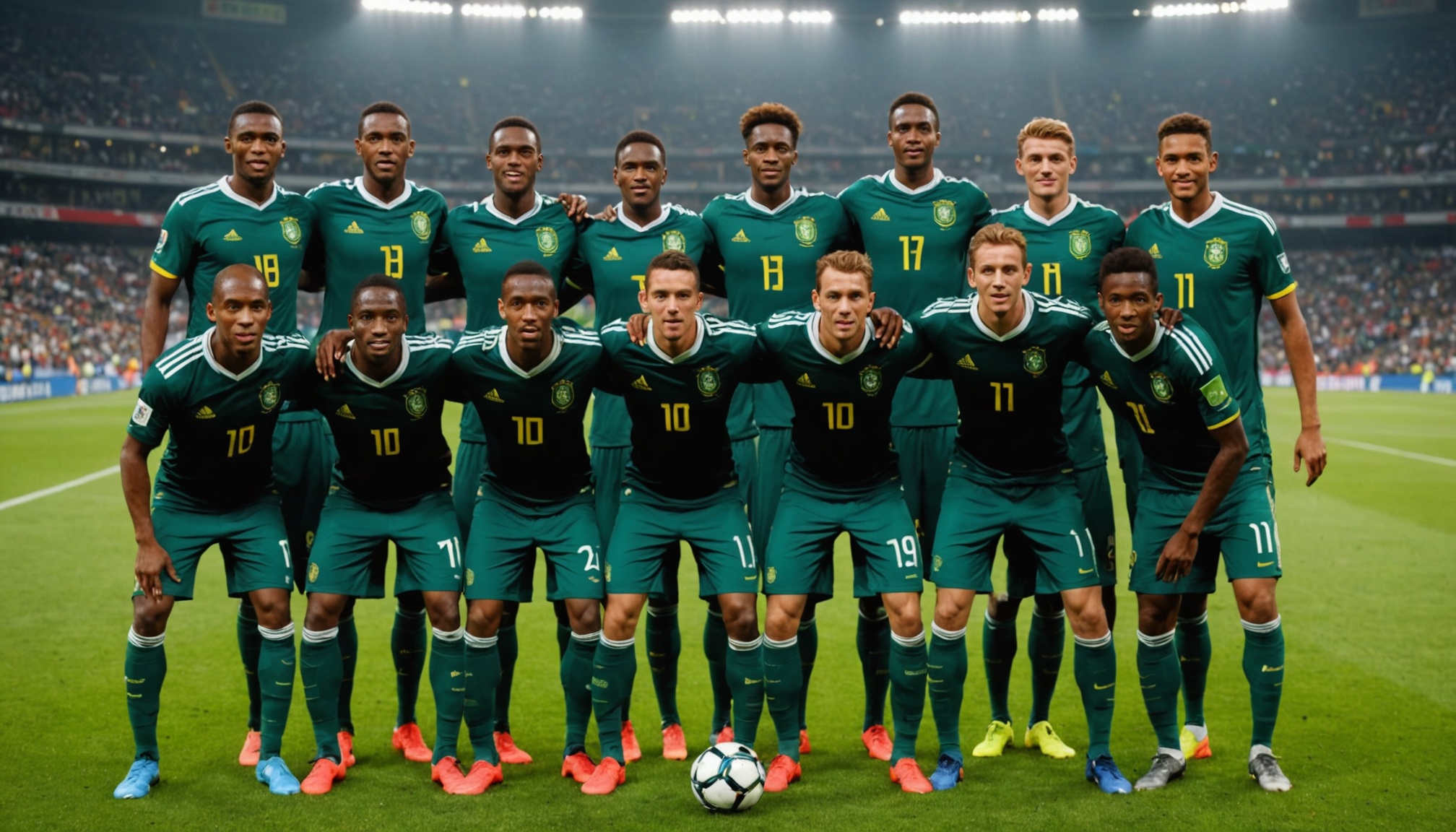
The FIFA World Cup 2026: United States presents American soccer with an extraordinary opportunity to compete on home soil with significant advantages. The USMNT (United States Men’s National Team) has been developing talent specifically for this tournament, with younger players gaining international experience in preparation. American players competing in top European leagues bring world-class capabilities to the squad, while domestic MLS athletes provide depth and familiarity with North American soccer culture. The coaching staff has implemented long-term development strategies designed to peak the team’s performance during the FIFA World Cup 2026: United States.
Player development for the FIFA World Cup 2026: United States reflects comprehensive youth academy structures and increased investment in soccer infrastructure across America. Young athletes progress through development pathways leading to national team consideration, with the World Cup representing the ultimate stage for their efforts. The squad combines experienced veterans with rising stars, creating a balanced roster capable of competing against any opponent. FIFA says the USA finished third in the tournament, validating years of preparation and demonstrating how home-field advantage combined with talented roster development produced remarkable results.
Expectations and Tournament Projections
Hosting the FIFA World Cup 2026: United States elevated American expectations for team performance. Home-field advantage provides psychological benefits, with fans creating electric atmospheres in stadiums across the nation. The USMNT anticipated advancing past the group stage and competing seriously for a deep tournament run. Analysts projected the United States could challenge traditional powerhouses, particularly with home support and familiar climates.
The FIFA World Cup 2026: United States created unprecedented pressure and opportunity for the American team. Ticket demand from domestic fans ensured packed stadiums, while international media scrutiny intensified focus on American player performances. The team’s third-place finish demonstrated remarkable achievement, as the USMNT eliminated top-ranked opponents and proved American soccer’s competitive parity with established soccer nations. This success validated years of investment in player development and tactical evolution.
How to Watch FIFA World Cup 2026: United States
Broadcast Coverage and Streaming Options
The FIFA World Cup 2026: United States offers extensive broadcast coverage across American television networks and streaming platforms. Major networks secured broadcasting rights guaranteeing comprehensive match coverage, with matches available through cable television, satellite, and streaming services. These streaming services get you access to all FIFA World Cup 2026: United States matches, providing flexibility for fans preferring digital viewing over traditional television. Streaming platforms offer multiple language options, with commentary available in English, Spanish, and other languages serving diverse American audiences.
Cord-cutting viewers enjoy unprecedented access to FIFA World Cup 2026: United States matches through digital platforms. Subscription services dedicated exclusively to soccer content compete alongside mainstream streaming networks for tournament broadcasting rights. Many platforms offer free trial periods during the tournament, allowing fans to sample services before committing to subscriptions. The FIFA World Cup 2026: United States represents the most digitally accessible World Cup in history, with fans capable of watching matches on smartphones, tablets, and computers alongside traditional television viewing.
Attending Matches In-Person
Experiencing the FIFA World Cup 2026: United States live in stadiums provides incomparable excitement and emotional connection to the sport. Ticket availability varies based on match significance, team popularity, and stadium capacity, with final matches and high-profile group stage games commanding premium prices. Fans planning to attend the FIFA World Cup 2026: United States should secure tickets early, as marquee matchups sell out weeks in advance. Hospitality packages available through official FIFA channels include premium seating, catering, and exclusive fan experiences.
The atmosphere at FIFA World Cup 2026: United States matches reflects soccer’s growing prominence in American culture. Stadiums showcase international fan communities, with supporters from competing nations traveling to matches and creating vibrant cross-cultural experiences. Fan zones outside stadiums extend the celebration beyond match play, with music, food, and entertainment creating festival atmospheres. The FIFA World Cup 2026: United States demonstrated that American audiences embrace international soccer with the same passion as established soccer nations.
- Official FIFA ticketing platform provides primary access to FIFA World Cup 2026: United States matches
- Secondary markets offer resale options for sold-out FIFA World Cup 2026: United States matches
- Stadium package deals include hospitality experiences and premium seating
- Group ticket discounts encourage attendance for larger party sizes
- Student and military discounts provide affordable access to FIFA World Cup 2026: United States matches
Economic Impact and Tourism During FIFA World Cup 2026: United States
Business and Employment Opportunities
The FIFA World Cup 2026: United States generated substantial economic activity across host cities and throughout North America. Business opportunities emerged in hospitality, retail, transportation, and entertainment sectors, with companies hiring temporary workers to handle increased demand. Hotels near stadiums operated at maximum occupancy, with room rates reaching premium levels during match days. Restaurants and entertainment venues experienced record foot traffic from international visitors and domestic fans traveling to matches.
Employment opportunities during the FIFA World Cup 2026: United States extended beyond match days, with venue preparation, security, and logistical operations creating thousands of jobs. Local contractors received business for infrastructure improvements and facility upgrades, stimulating regional economies. The tournament positioned host cities as major international sports destinations, potentially attracting future sporting events and conventions. Economic analyses projected the FIFA World Cup 2026: United States would generate billions in direct spending, with multiplier effects continuing for years through increased property values and permanent business establishment in host communities.
Infrastructure Development and Long-Term Benefits
Hosting the FIFA World Cup 2026: United States accelerated infrastructure projects in participating cities. Stadium renovations, road improvements, and public transit enhancements benefited residents long after the tournament concluded. Investments in sports facilities and hospitality infrastructure positioned American cities as premier worldwide sports venues. The FIFA World Cup 2026: United States demonstrated American commitment to sports excellence and international competition.
The FIFA World Cup 2026: United States promoted soccer development in youth academies and recreational programs across host regions. Increased exposure to professional soccer inspired younger generations to participate in the sport, strengthening American soccer’s competitive foundation. Communities built new training facilities and expanded existing programs to capitalize on heightened soccer interest. The tournament’s legacy extended beyond immediate economic impacts, transforming sports culture and youth athletics in participating cities.
| Host City | Stadium Name | Capacity | Primary Team | Estimated Matches |
|---|---|---|---|---|
| Los Angeles | SoFi Stadium | 70,240 | LA Rams/Chargers | 3 |
| New York | MetLife Stadium | 82,500 | Giants/Jets | 3 |
| Dallas | AT&T Stadium | 80,000 | Dallas Cowboys | 2 |
| Kansas City | Arrowhead Stadium | 76,400 | Kansas City Chiefs | 2 |
| Atlanta | Mercedes-Benz Stadium | 71,000 | Atlanta Falcons | 2 |
Opening Ceremony and Special Events During FIFA World Cup 2026: United States
The Grand Opening Ceremony Experience
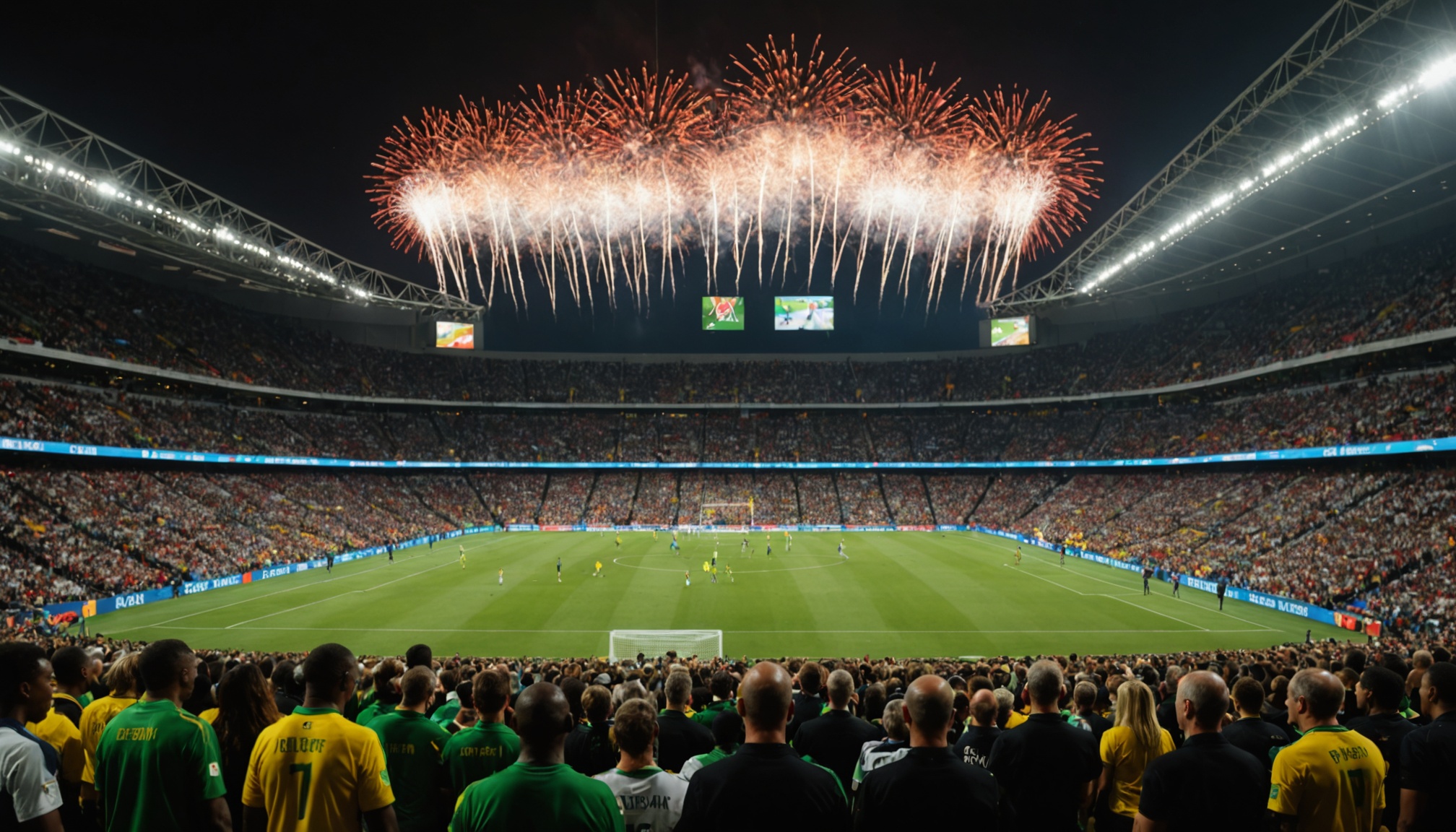
The 2026 FIFA World Cup™ Opening Ceremony stands as the tournament’s signature event, showcasing American entertainment and sporting excellence. The ceremony celebrates international unity through music, dance, and cultural performances representing participating nations. The opening spectacle demonstrates American production values and creative capabilities to a global television audience exceeding one billion viewers. The 2026 FIFA World Cup™ Opening Ceremony marks the official beginning of the FIFA World Cup 2026: United States, setting the emotional and cultural tone for the tournament.
Planning the 2026 FIFA World Cup™ Opening Ceremony involved coordinating with FIFA, American cultural institutions, and international performers. The ceremony balances American cultural identity with celebration of global soccer communities, creating inclusive experiences for diverse audiences. Technological innovations including drone displays, augmented reality elements, and immersive lighting effects elevate the opening experience beyond traditional ceremony formats. Fans attending the 2026 FIFA World Cup™ Opening Ceremony enjoyed unforgettable moments witnessing the FIFA World Cup 2026: United States officially commence.
Cultural Celebrations and Entertainment Programming
Beyond the opening ceremony, the FIFA World Cup 2026: United States featured extensive cultural programming and entertainment offerings throughout the tournament. Fan festivals in host cities offered performances from American and international artists, with free admission encouraging broader community participation. Local traditions merged with international soccer culture, creating unique celebrations reflecting each host city’s character. The FIFA World Cup 2026: United States positioned soccer as a unifying cultural force bringing Americans together across regional and demographic differences.
Entertainment during the FIFA World Cup 2026: United States extended to match-day experiences, with stadium performances and pre-match entertainment engaging fans before kickoff. International soccer traditions merged with American entertainment sensibilities, creating novel hybrid experiences. The tournament introduced American audiences to supporter culture prevalent in traditional soccer nations, with fan chants, songs, and choreography becoming mainstream entertainment elements. The FIFA World Cup 2026: United States demonstrated how soccer transforms urban spaces into global community gathering points.
- Opening ceremony featured performers representing North American and international artists
- Fan festival programming offered free entertainment, food, and cultural activities
- Stadium entertainment included live bands and cultural performances during match breaks
- Street festivals in host cities featured soccer-themed celebrations and international cuisine
- Museum exhibitions showcased World Cup history and participating nations’ cultures
Frequently Asked Questions About FIFA World Cup 2026: United States
When Does FIFA World Cup 2026: United States Take Place?
The FIFA World Cup 2026: United States takes place from June through July 2026, with group stage matches beginning mid-June and the championship final concluding in early July. The tournament schedule accommodates multiple matches daily across different time zones, maximizing television coverage for global audiences. Match schedules are available through official FIFA channels, with ticket sales coordinated through designated platforms. The FIFA World Cup 2026: United States represents the first World Cup held in North America, marking a historic shift in tournament geography.
How Can American Fans Attend FIFA World Cup 2026: United States Matches?
American fans can purchase FIFA World Cup 2026: United States tickets through the official FIFA ticketing website, secondary resale markets, and hospitality package providers. Early booking provides better seat selection and availability, particularly for high-profile matches. Travel to host cities requires advance accommodation booking, as hotels fill quickly during tournament periods. Many fans plan extended stays to experience multiple matches and explore host cities, maximizing their FIFA World Cup 2026: United States experience. Group travel packages through sports tourism companies simplify logistics for fans planning to attend multiple games.
Which Teams Qualified for FIFA World Cup 2026: United States?
Forty-eight nations qualified for the FIFA World Cup 2026: United States, representing unprecedented global participation. Traditional soccer powerhouses including Brazil, Argentina, France, and Germany secured qualification, alongside emerging soccer nations earning historic tournament berths. The expanded format allows more nations to participate, demonstrating soccer’s universal popularity and competitive depth. Qualification tournaments across different continents concluded in 2025, with the final 48-team roster determined before the FIFA World Cup 2026: United States commenced. SA Government supported successful qualification of South African teams, highlighting the tournament’s broad international participation.
What Are the Best Ways to Watch FIFA World Cup 2026: United States?
These streaming services get you access to FIFA World Cup 2026: United States matches with comprehensive coverage options accommodating different viewing preferences. Cable television providers offer traditional broadcast options with expert commentary and analysis. Streaming platforms deliver mobile viewing flexibility, allowing fans to watch matches anywhere internet connectivity exists. Premium subscription services provide advanced features including multiple camera angles and on-demand replay options. The FIFA World Cup 2026: United States offers unprecedented viewing flexibility, with fans choosing options best matching their lifestyles and technology preferences.
How Does the FIFA World Cup 2026: United States Differ From Previous World Cups?
The FIFA World Cup 2026: United States represents the first World Cup held in North America and the first with 48 participating nations instead of the traditional 32 teams. The expanded format eliminates traditional knockout requirements, allowing more matches and competitive opportunities for emerging soccer nations. Tournament scheduling across three nations requires logistical coordination unprecedented in World Cup history. The FIFA World Cup 2026: United States demonstrates FIFA’s commitment to expanding soccer globally while maintaining tournament competitiveness. The North American location brings soccer to audiences with developing soccer traditions, potentially transforming the sport’s popularity in the Western Hemisphere.
The Legacy of FIFA World Cup 2026: United States
The FIFA World Cup 2026: United States established lasting impacts on American sports culture and international soccer development. The tournament accelerated soccer’s mainstream acceptance in American consciousness, transforming the sport from niche interest to broadly supported athletics. Youth participation in soccer surged following the tournament, with improved facilities and increased coaching resources enabling broader talent development. The FIFA World Cup 2026: United States demonstrated that American audiences