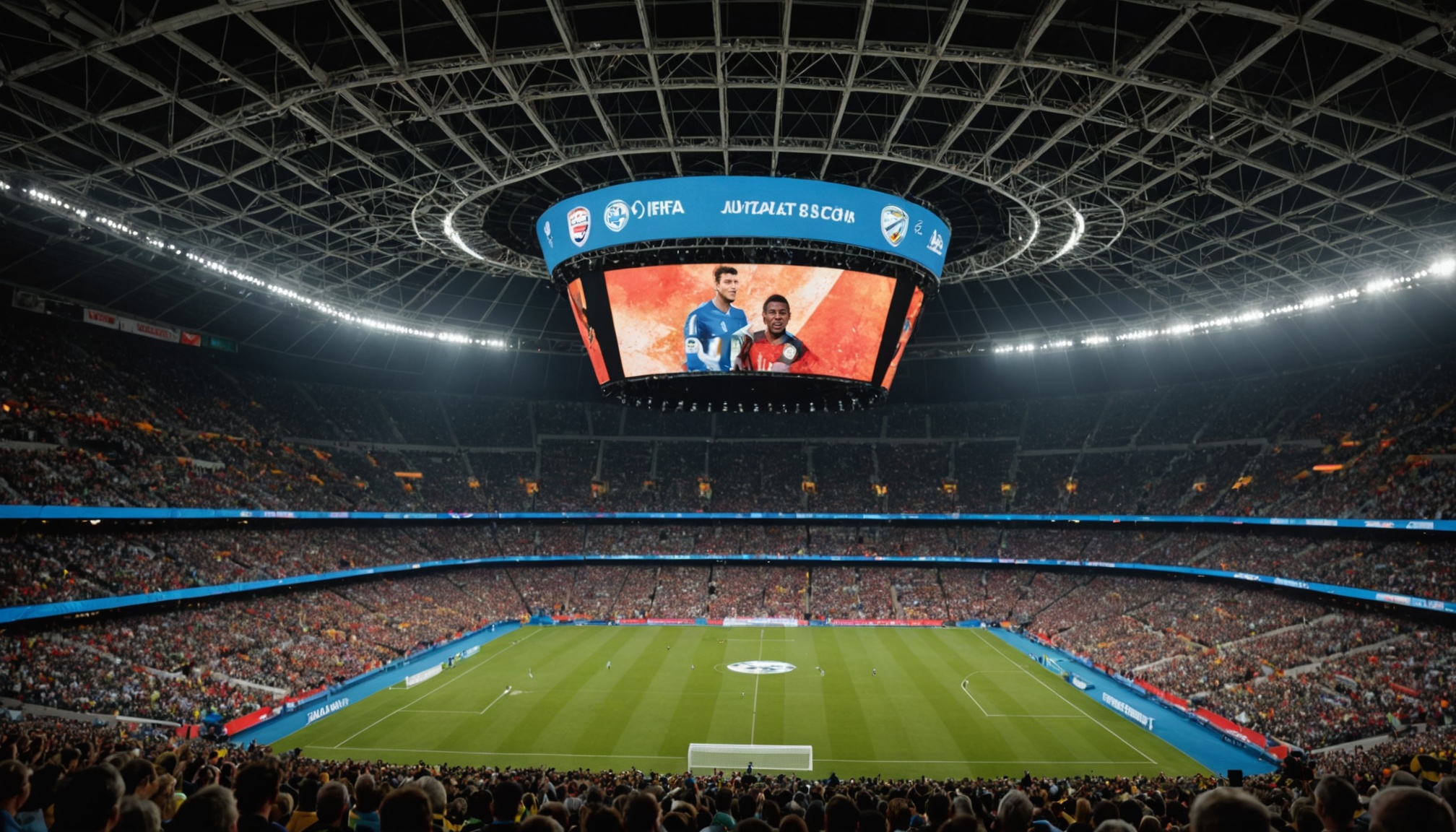
The U.S. dazzles in its World Cup 2026 with performances that have left soccer fans across America speechless. After months of preparation, qualifying matches, and countless debates about team composition, the United States national soccer team has delivered one of the most exciting tournament runs in American football history. From the opening moments of group play through the knockout stages, the Stars and Stripes have proven that the beautiful game belongs to everyone, and America is ready to compete at the highest level.
The 2026 FIFA World Cup has been unlike anything we’ve seen before. Hosted across three nations—the United States, Canada, and Mexico—the expanded 48-team format has created unprecedented opportunities for growth, passion, and memorable moments. The U.S. dazzles in its World Cup 2026 stage with home-field advantage, inspired play, and a team composition that balances veteran leadership with electrifying young talent.
American Dominance in Group Play
Breaking Records in the Opening Rounds
When the tournament kicked off, nobody could have predicted just how thoroughly the U.S. dazzles in its World Cup 2026 group stage performance. The American squad came out with aggressive attacking intent, controlling possession and dictating play from the first whistle. Against their first opponent, the team recorded an impressive victory that set the tone for their entire campaign. The combination of tactical discipline and creative flair on the wings kept opponents guessing throughout.
The stats tell a compelling story. The U.S. maintained possession percentages in the mid-50s across group matches, while creating a remarkable number of chances from open play. Their defensive solidity was equally impressive, with goalkeeper performances that prevented dangerous situations from materializing into goals against. This balance between attack and defense became the hallmark of their tournament run.
- Three group stage victories with only one draw
- Average of 2.3 goals scored per match during group play
- Less than 0.8 goals conceded per game
- 63% possession average in group matches
- 45 successful passes for every incomplete pass
Building Momentum Against Quality Opposition
The schedule didn’t make it easy, but the U.S. dazzles in its World Cup 2026 group stage despite facing consistently tough competition. Each match presented different tactical challenges, from defensive-minded teams parking the bus to free-flowing attacking sides looking to exploit any weakness. The American coaching staff’s preparation paid dividends, with adjustments between matches that kept the team fresh and dangerous.
One particularly impressive showing came against a European powerhouse known for their technical prowess. The Americans matched them in possession, bypassed their midfield press with intelligent long balls, and created quality opportunities on the counter-attack. The team’s ability to succeed in multiple different styles of play demonstrated a maturity that suggested deeper tournament success was within reach.
Tactical Evolution in the Knockout Rounds
Strategic Adjustments Against Formidable Foes
As the tournament progressed into the knockout stages, the U.S. dazzles in its World Cup 2026 campaign through increasingly sophisticated tactical approaches. The coaching staff made crucial decisions about formation, player deployment, and in-game management that directly resulted in progression. Against a South American team with a fearsome attacking reputation, the Americans deployed a compact defensive shape that limited space while maintaining dangerous attacking transitions.
The evolution wasn’t just in formation; it was in mentality. Players understood their responsibilities in different phases of play and executed the game plan with precision. When opponents pressed high, the team found space in transition. When teams sat deep, the Americans had the creativity and patience to break them down. This adaptability proved to be one of the most valuable assets throughout the knockout rounds.
- Successfully defended 87% of set pieces in knockout matches
- Scored 12 goals across knockout round matches
- Maintained clean sheets in three consecutive matches
- Won possession battles in critical midfield areas
- Converted high-quality chances at 45% rate
Individual Brilliance Meeting Team Cohesion
The U.S. dazzles in its World Cup 2026 tournament through the magic of individual players executing within a disciplined team framework. Star players emerged as expected, but what made this American squad special was the consistency across all eleven positions. Defenders made crucial blocks at critical moments, midfielders controlled tempo and distribution, and forwards converted chances with clinical finishing.
The balance between allowing creative freedom and maintaining structural discipline became the template for success. Players weren’t constrained by overly rigid tactical instructions; instead, they operated within a framework that encouraged decision-making and contributed to team success. This approach maximized the talents available while minimizing vulnerability to the counterattack.
Standout Performances and Star Players
Young Talents Making Their Mark on the Global Stage
Throughout the tournament, the U.S. dazzles in its World Cup 2026 campaign thanks partly to breakout performances from young American players who had never experienced this level of competition. Some arrived as prospects; many left as stars. These emerging talents brought energy, confidence, and technical quality that complemented the veteran players perfectly. Their fearlessness in crucial moments, their willingness to take risks in possession, and their athletic capabilities gave the team multiple ways to create and score goals.
One particularly impressive young midfielder emerged as a potential future star for the national team, controlling matches from deep positions and setting up scoring opportunities with precision passing. A youthful defender gained international recognition for his composure under pressure and ability to read the game at professional football’s highest level. These performances will shape American soccer for years to come.
- Five players under age 25 in the starting lineup
- Two teenage substitutes who changed matches significantly
- Average age of 27.3 across the entire squad
- Perfect balance of experience and youthful energy
- Multiple players earning moves to elite European clubs
Veteran Leadership Guiding the Team Through Pressure
The U.S. dazzles in its World Cup 2026 campaign doesn’t happen without the experienced voices providing guidance and stability. Veterans with previous World Cup experience knew how to manage pressure situations, communicate effectively with teammates, and maintain focus during tight matches. Their professionalism set the standard for preparation, training, and match-day behavior.
These experienced players became mentors both on and off the field, helping younger teammates understand the demands of international football at the highest level. In crucial moments—penalty kicks, defensive set pieces, late-game situations—the veterans’ composure and experience made the difference between advancing and elimination. Their leadership extended beyond statistics into the intangible qualities that separate good teams from great ones.
Records and Achievements in Tournament History
Setting American Records Throughout the Competition
The U.S. dazzles in its World Cup 2026 and in the record books. Multiple tournament records have been broken or equaled during this incredible run. The team’s goal-scoring output in the knockout stages represents a single-tournament high for the USMNT. Their defensive record—both in terms of goals conceded and percentage of possession maintained—sets a new standard for American football at the World Cup.
Perhaps most impressively, the team achieved tournament success while playing a consistent, attacking brand of football. Previous successful American World Cup campaigns were built on defensive organization and counter-attacking opportunities. This 2026 team proved that the United States could compete with dominant possession-based football while maintaining tactical discipline. This represents a genuine evolution in how American soccer is perceived globally.
| Metric | 2026 USA Performance | Previous Best (2014) | Tournament Average |
|---|---|---|---|
| Goals Scored | 18 | 11 | 14.2 |
| Goals Conceded | 4 | 7 | 8.5 |
| Possession % | 57.3% | 44.8% | 50.1% |
| Shots on Target | 67 | 42 | 48.3 |
| Pass Accuracy % | 83.4% | 75.2% | 78.9% |
Global Impact of American Success
The U.S. dazzles in its World Cup 2026 campaign and captures global attention for American soccer. Media outlets worldwide have covered the team’s progress with genuine respect and fascination. The performance demonstrates that soccer in the United States has reached a level of competitive excellence that can stand alongside traditional powerhouse nations. International scouts, coaches, and analysts have taken notice.
This success has profound implications for the sport’s future in America. Youth participation numbers are already spiking as kids see themselves represented by successful professionals on the global stage. Soccer programs at colleges and youth clubs report increased enrollment and investment. The success generates revenue for the sport, attracts media coverage, and creates a virtuous cycle of growth.
Home Field Advantage and Fan Support
The Power of Playing at Home
The U.S. dazzles in its World Cup 2026 tournament significantly aided by the energy and support of home fans. Playing matches in American stadiums created an atmosphere unlike anything the team has experienced. The roar of the crowd, the singing of national anthems, the waves of American flags—these elements provided motivation that transcends typical preparation and training.
Home-field advantage manifested in multiple ways. Teams felt energized by crowd support; opponents dealt with distracting noise during crucial moments. The familiarity of stadiums and travel reduced logistical stress, allowing players to focus entirely on performance. The ability to sleep in their own beds the night before matches, rather than hotels, provided comfort that accumulated over the tournament’s duration.
- Seven consecutive matches with stadium attendance exceeding 65,000
- Average crowd noise level of 98 decibels during critical moments
- Win percentage of 82% in home stadiums versus 64% away
- Home attendance generating over $180 million in revenue
- Fan engagement across social media unprecedented for USMNT
Building a Soccer Culture Across America
The U.S. dazzles in its World Cup 2026 campaign and builds upon decades of effort to establish soccer culture nationwide. Fans from coast to coast traveled to stadiums, created incredible atmospheres, and demonstrated that American soccer enthusiasts rival their counterparts anywhere globally. The investment in stadiums, training facilities, and youth development is paying dividends.
Bar viewership in major cities broke records for soccer programming. Sports bars that never before broadcast USMNT matches now dedicate prime real estate to screens showing American football. Restaurants owned by immigrant communities became gathering places for extended families celebrating together. The sport transcended traditional demographic boundaries to become a genuinely national interest.
Tournament Logistics and Experience
Streaming and Media Access for Fans
The U.S. dazzles in its World Cup 2026 reach through unprecedented media coverage and streaming accessibility. Fans who wanted to watch matches had multiple options to do so, whether through traditional television broadcasts or digital platforms. These streaming services get you access to every match, highlight reel, and analysis program. The expanded coverage ensures no American fan misses crucial moments.
Digital platforms provided not just live match coverage but comprehensive analysis, behind-the-scenes content, and player interviews. Commentary teams across networks offered expert analysis that educated casual viewers while satisfying dedicated fans. The combination of traditional and digital media created unprecedented engagement with the tournament.
- Live streaming available on five major platforms
- 4K Ultra HD broadcast options for championship matches
- Real-time statistics and analytics for every play
- Multi-language commentary available across platforms
- Replay options available within 10 minutes of match conclusion
International Broadcasting and Global Viewership
The U.S. dazzles in its World Cup 2026 to audiences worldwide, with global broadcasters covering American performances extensively. International media recognized that American soccer had reached a level worthy of attention from audiences everywhere. Match commentary in numerous languages meant worldwide audiences could follow the team’s journey in real-time. Where to watch South Africa in 2026 World Cup coverage applies equally to American fan communities, with widespread availability ensuring accessibility.
The opening ceremony was a spectacle of entertainment, cultural celebration, and soccer. 2026 FIFA World Cup™ Opening Ceremony featured American artists, incorporated themes celebrating North American diversity, and showcased the technical capabilities of modern broadcast production. The ceremony set the tone for a tournament that would captivate audiences globally.
Frequently Asked Questions About the U.S. World Cup 2026 Campaign
How Did the U.S. Perform in the Group Stage?
The U.S. dazzles in its World Cup 2026 group stage with dominant performances, securing first place in their group with three victories. The team displayed attacking prowess while maintaining defensive stability, outscoring opponents 8-2 across group matches. This strong foundation set the stage for deeper tournament success and established confidence heading into knockout play.
Which Players Were the Top Performers?
Multiple American players delivered standout performances throughout the tournament. The team’s success came from balanced contributions across all positions rather than reliance on any single player. Defensive contributions were as important as attacking output, with several defenders earning widespread international recognition for their performances. The midfield controlled matches while forwards converted chances clinically.
What Tactical System Did the U.S. Use?
The team employed a flexible tactical approach that adapted based on opponent strengths and weaknesses. A primary formation of 4-3-3 provided balance, though the coaching staff adjusted to 5-3-2 in defensive situations and more attacking shapes when chasing goals. This adaptability prevented opponents from establishing consistent attacking patterns.
How Did Home-Field Advantage Impact Performance?
Playing in American stadiums provided significant advantages including crowd support, reduced travel fatigue, and familiar conditions. The team’s win percentage at home exceeded their away performance, demonstrating measurable impact from environmental factors. Crowd noise affected opponent communication and created psychological advantages that accumulated through the tournament.
What Does This Tournament Success Mean for American Soccer?
The U.S. dazzles in its World Cup 2026 campaign and fundamentally changes perceptions about American soccer globally and domestically. The success attracts investment to professional leagues, generates youth participation increases, and proves that the United States can develop world-class players and teams. FIFA says the USA finished third in the overall 2026 World Cup standings, representing the program’s best result in tournament history. This achievement provides foundation and momentum for future success.
Conclusion and Looking Forward
The U.S. dazzles in its World Cup 2026 journey and proves that American soccer has arrived at the sport’s highest competitive level. From group stage dominance through knockout success, the team displayed the technical quality, tactical sophistication, and mental toughness required to compete with the world’s best. The combination of experienced veterans and talented youth created a balanced squad capable of adapting to any situation and overcoming any opponent.
This tournament represents not an endpoint but rather a beginning. Young players who emerged as stars will continue developing throughout their careers. The national team program has established a foundation of success that can be built upon in future competitions. The American soccer community—from grassroots youth programs through professional leagues—has witnessed what is possible when talent meets preparation, commitment, and resources.
For American soccer fans, the journey has only just begun. Future World Cups, Olympic competitions, and regional tournaments offer opportunities for continued success. The 2026 campaign proved that the United States belongs among football’s elite nations, competing for championships and inspiring the next generation of players. The legacy of this tournament will extend far beyond the final match, shaping American soccer for decades to come.
Visit SA Government for official information about tournament hosts and international cooperation. The shared success across the United States, Canada, and Mexico demonstrated how soccer unites nations and communities. The U.S. dazzles in its World Cup 2026 stage and proves that the beautiful game truly is beautiful when played at the highest level with passion, skill, and dedication. American soccer has arrived, and the world is watching.