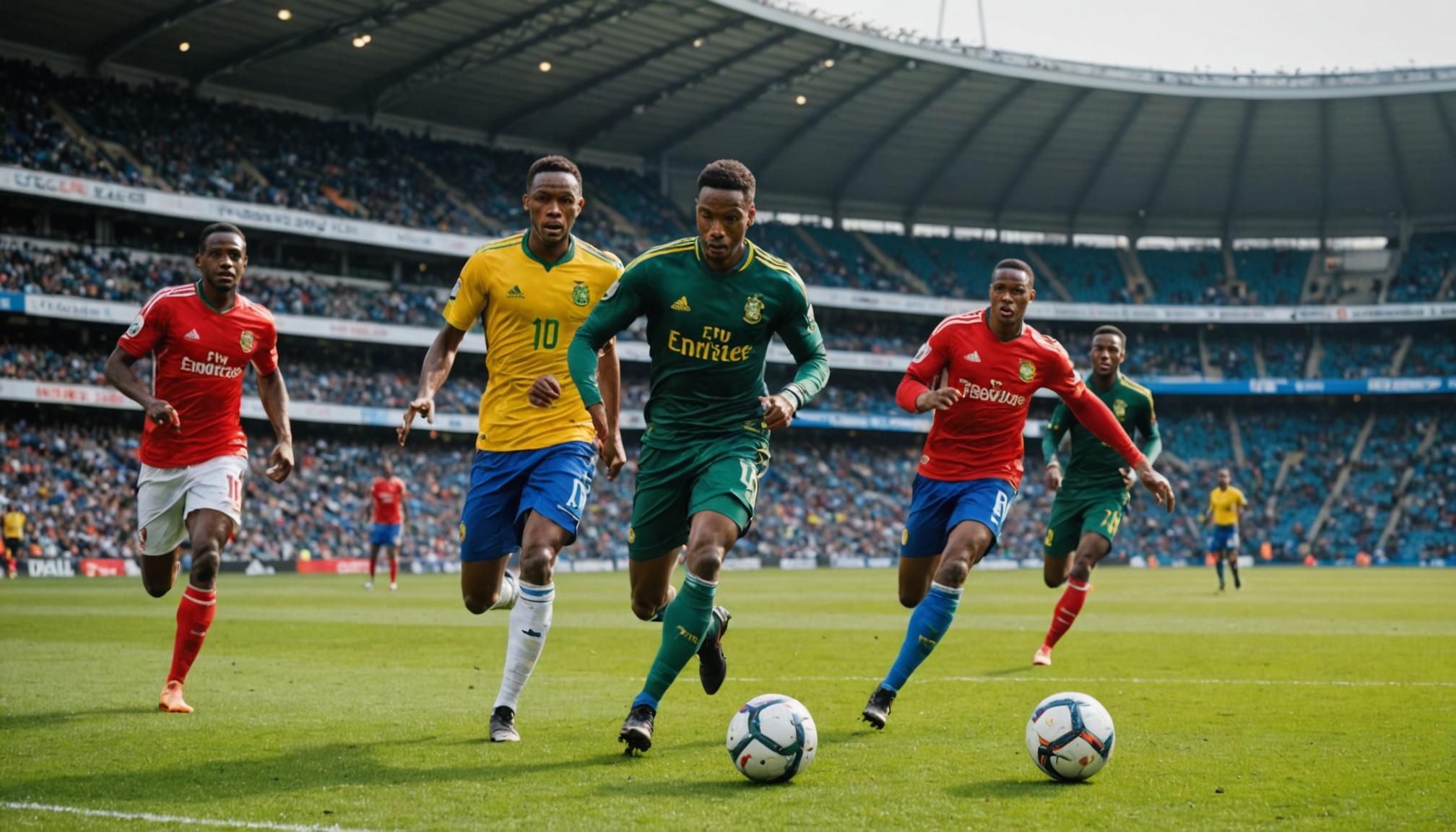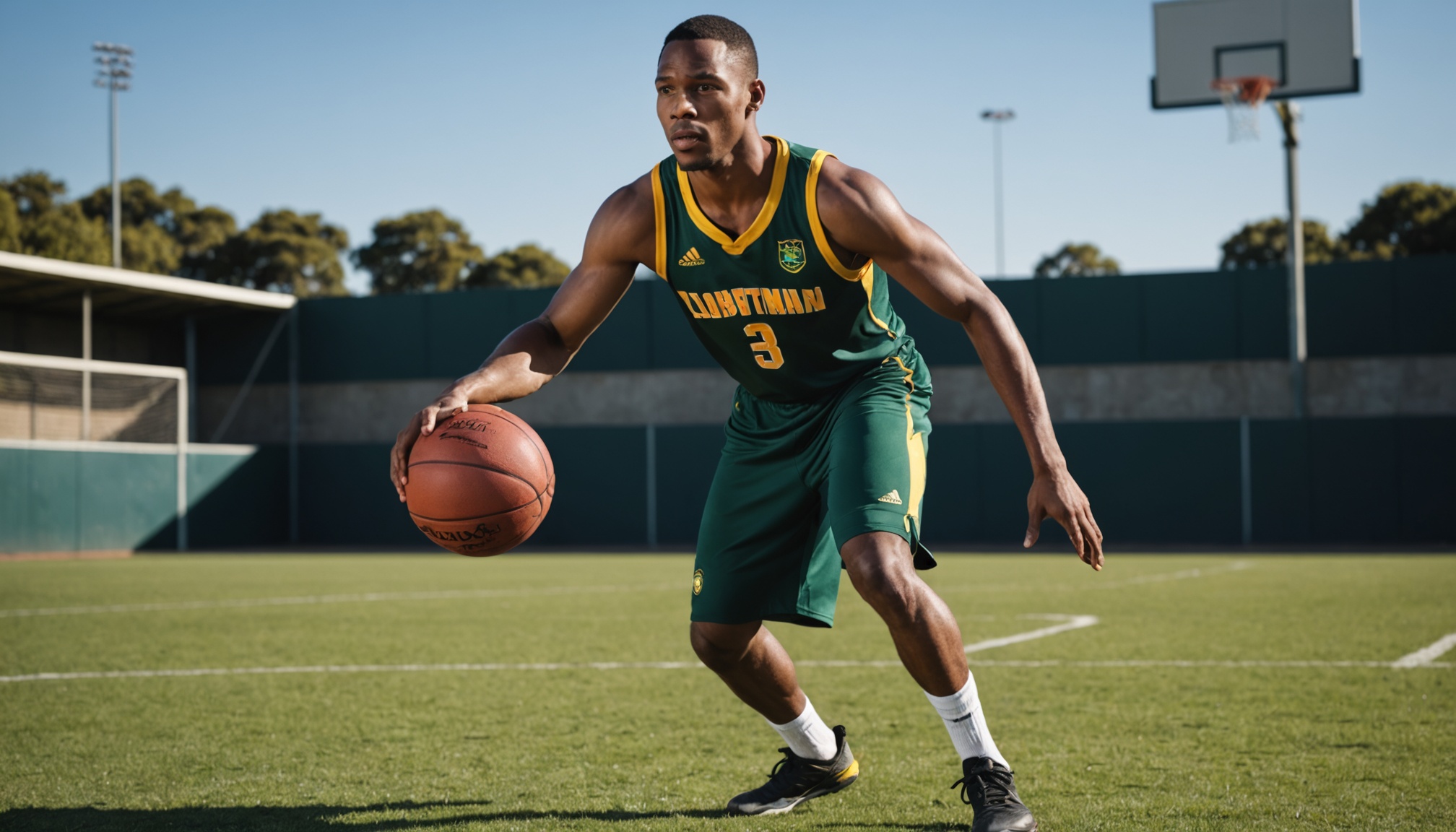
Football, Basketball, Athletics expert tips South Africa represent some of the most valuable guidance available for athletes and coaches looking to excel in these competitive sports. Whether you’re a beginner or an advanced player, understanding the nuances of these three disciplines can significantly enhance your performance and help you reach your athletic goals. South Africa has produced numerous world-class athletes across football, basketball, and athletics, and their collective wisdom provides an invaluable resource for improving your game.
Understanding the Fundamentals of Football Excellence
Mastering Ball Control and Dribbling Techniques
Ball control remains the foundation of exceptional football performance. Football, Basketball, Athletics expert tips South Africa consistently emphasize that mastering dribbling techniques is crucial for any player aspiring to compete at higher levels. The key lies in developing close control of the ball through repetitive practice sessions that focus on precision, speed, and directional changes.
Expert coaches across South Africa recommend practicing dribbling in tight spaces, using both feet equally, and maintaining awareness of your surroundings. The ability to manipulate the ball under pressure separates elite players from average ones. Many South African football academies incorporate cone weaving drills, wall passes, and one-touch control exercises into their daily training regimens to build these essential skills.
Tactical Positioning and Game Intelligence
Understanding positioning on the field is equally important as technical skills. Football, Basketball, Athletics expert tips South Africa stress that reading the game and anticipating movements can transform an ordinary player into an exceptional one. This involves studying opponent patterns, recognizing space utilization, and making intelligent decisions under match pressure.
South African football experts recommend watching game film regularly, analyzing player movements, and understanding the tactical formations used by your team. Players should develop the ability to recognize when to press opponents, when to fall back defensively, and how to exploit spaces created by teammate movements. This mental aspect of the game often determines whether teams succeed in competitive environments.
- Practice situational awareness through small-sided games
- Study opponent team sheets and player tendencies
- Develop communication skills with teammates
- Work on decision-making under pressure
- Analyze video footage of successful plays
Basketball Training Strategies for Peak Performance
Shooting Mechanics and Accuracy Development
Basketball shooting is a skill that demands countless hours of dedicated practice. Football, Basketball, Athletics expert tips South Africa from elite basketball coaches emphasize that proper shooting mechanics form the foundation for consistent accuracy. The mechanics involve footwork, knee bend, shoulder alignment, elbow position, and follow-through coordination.
South African basketball programs focus heavily on developing shooting consistency through structured practice routines. Players typically start with shooting form drills close to the basket, gradually moving outward as proficiency improves. Expert coaches recommend shooting at least 100-200 shots daily, focusing on game-realistic scenarios rather than isolated drills. The difference between average and elite shooters lies in their commitment to repetition and refinement of technique.
Defensive Intensity and Positioning
While offense generates excitement, defense wins championships. Football, Basketball, Athletics expert tips South Africa highlight that defensive mastery requires physical conditioning, mental toughness, and technical proficiency. Players must understand defensive principles including proper stance, hand positioning, footwork, and anticipation.
Expert basketball coaches in South Africa emphasize that defensive success comes from understanding opponent tendencies and positioning yourself effectively. This involves studying opponent shooting preferences, recognizing screen plays, and communicating constantly with defensive partners. Many elite South African basketball programs incorporate defensive drills into every practice session, recognizing that sustained defensive intensity often determines tournament outcomes.
- Master basic defensive stance and positioning
- Develop anticipation skills through film study
- Practice defensive footwork daily
- Build communication protocols with team
- Work on conditioning for defensive endurance
Athletic Performance Enhancement Techniques
Sprint Training and Speed Development
Speed represents a critical component across all three sports. Football, Basketball, Athletics expert tips South Africa emphasize that sprint training must be structured strategically to maximize acceleration, top-end speed, and deceleration capabilities. Elite athletes recognize that speed development requires proper technique, adequate recovery, and progressive training loads.
South African athletics programs incorporate advanced sprint training methodologies that focus on force application, stride length, and stride frequency optimization. Coaches working with world-class sprinters emphasize that proper acceleration technique during the first 30 meters significantly impacts overall performance. Training sessions typically include acceleration drills, flying sprints, and maximum velocity work, combined with comprehensive strength training to support muscular power development.
Strength and Conditioning for Sport-Specific Performance
Strength conditioning forms the backbone of athletic performance across football, basketball, and track and field. Football, Basketball, Athletics expert tips South Africa consistently highlight that sport-specific strength training prevents injuries while enhancing explosiveness and endurance. The most effective programs integrate periodization principles that align with competition schedules.
Expert conditioning coaches in South Africa design programs that address individual athlete needs while considering sport-specific demands. Football players require lateral strength and core stability, basketball players need lower body power and upper body stability, while track athletes benefit from force development focused on their specific events. South African training facilities utilize resistance training, plyometrics, and innovative equipment to develop athletes who can perform at the highest competitive levels.
| Sport | Primary Strength Focus | Conditioning Priority | Injury Prevention Strategy |
|---|---|---|---|
| Football | Core and Lateral Stability | Aerobic Endurance | Dynamic Stretching and Activation |
| Basketball | Lower Body Power | Anaerobic Capacity | Ankle and Knee Stability Work |
| Track and Field | Force Development | Sport-Specific Energy Systems | Progressive Load Management |
Mental Skills and Psychological Training
Pressure Management and Competition Psychology
The mental aspect of athletic performance often separates champions from competitors. Football, Basketball, Athletics expert tips South Africa emphasize that developing strong mental frameworks enables athletes to perform optimally under high-pressure situations. Elite performers typically employ visualization techniques, positive self-talk, and mindfulness practices to manage competition stress.
South African sports psychologists working with national teams recommend establishing pre-competition routines that create psychological readiness. These routines might include breathing exercises, visualization of successful performances, and strategic goal-setting focused on controllable factors. Athletes who develop strong mental resilience demonstrate improved consistency and better decision-making during critical moments.
Building Confidence and Self-Belief
Confidence fundamentally impacts athletic performance across all sports. Football, Basketball, Athletics expert tips South Africa consistently show that confident athletes make bolder decisions, take calculated risks, and persist through challenging situations. Building genuine confidence requires combining successful performance experiences with proper mindset development.
Coaches in South Africa emphasize that confidence develops through achieving progressively challenging goals and receiving constructive feedback that recognizes improvement. Rather than empty positive affirmations, authentic confidence stems from preparing thoroughly, executing well, and learning from setbacks. This approach produces athletes who maintain composure and perform effectively when stakes are highest.
- Establish consistent pre-performance routines
- Practice visualization techniques regularly
- Develop positive self-talk strategies
- Set process-oriented goals daily
- Maintain detailed performance journals
Nutrition and Recovery Strategies
Optimal Nutrition Planning for Athletic Performance
Proper nutrition fuels athletic performance and supports training adaptation. Football, Basketball, Athletics expert tips South Africa highlight that successful athletes treat nutrition with the same dedication as technical training. The most effective sports nutrition programs are individualized, accounting for sport-specific demands and personal metabolic factors.
South African sports nutritionists recommend timing carbohydrate intake strategically to support training intensity and recovery. Protein consumption should align with training demands, typically ranging from 1.6-2.2 grams per kilogram of body weight for athletes engaged in strength or power activities. Micronutrient management, hydration protocols, and supplementation strategies (when appropriate) further optimize performance. Athletes working with elite South African programs typically receive personalized nutrition plans that evolve throughout training cycles.
Sleep Quality and Active Recovery Protocols
Recovery determines whether training adaptations occur. Football, Basketball, Athletics expert tips South Africa emphasize that sleep quality directly impacts athletic performance, injury prevention, and mental function. Elite athletes typically prioritize 7-9 hours of quality sleep nightly, with some research suggesting periodized sleep extensions during heavy training blocks.
South African coaching staff implement comprehensive recovery strategies including ice baths, massage therapy, stretching protocols, and psychological recovery techniques. Active recovery sessions involving light activity promote blood flow without excessive stress. Progressive overload in training requires matching loading phases with proportional recovery emphasis. Athletes who neglect recovery compromise adaptation processes and increase injury risk significantly.
- Maintain consistent sleep schedule nightly
- Control sleep environment temperature and darkness
- Implement post-training recovery sequences
- Schedule massage and soft tissue work regularly
- Use ice baths strategically after intense sessions
Technology and Performance Analysis
Video Analysis and Tactical Review Systems
Modern sports performance increasingly relies on sophisticated analysis tools. Football, Basketball, Athletics expert tips South Africa demonstrate that video analysis provides objective performance feedback unavailable through observation alone. Elite South African teams use advanced video systems to review individual performances, analyze opponent strategies, and identify tactical patterns.
Coaches employ video analysis to illustrate technical points clearly, accelerating athlete learning curves significantly. This technology enables comparative analysis where athletes see their performances alongside elite models, facilitating immediate understanding of technical gaps. The most successful programs integrate video feedback into daily training, creating self-awareness that drives independent improvement between coached sessions.
Wearable Technology and Performance Metrics
Wearable technology provides real-time performance data that guides training optimization. Football, Basketball, Athletics expert tips South Africa increasingly incorporate devices measuring heart rate variability, training load, acceleration metrics, and movement patterns. This objective data enables coaches to make evidence-based decisions regarding training adjustments.
South African sports scientists use GPS tracking systems, accelerometers, and biometric monitoring to ensure athletes train within optimal intensity zones. These devices reveal whether athletes are working at appropriate intensities and provide metrics for progression tracking. The most valuable applications involve identifying overtraining risks before injuries occur and validating that training stress aligns with athlete capacity.
Frequently Asked Questions About Football, Basketball, Athletics Expert Tips South Africa
What are the most common mistakes young athletes make in South Africa?
Young athletes frequently lack patience with the development process, expecting rapid improvements rather than understanding that excellence requires systematic progression. Many neglect injury prevention through inadequate warm-ups and recovery protocols. Additionally, insufficient attention to nutrition and sleep undermines training effectiveness. Check out our resources on best Football, Basketball, Athletics South Africa 2026 for comprehensive guidance on avoiding these pitfalls.
How should athletes balance training across multiple sports during youth development?
Elite development programs often recommend multi-sport participation through early teenage years, as this builds broad athletic foundations and prevents sport-specific overuse injuries. However, as athletes progress toward competitive levels, specialization becomes increasingly necessary. South African development models typically encourage sport specialization by ages 14-16, allowing sufficient depth of practice to develop elite-level skills.
What differentiates professional athletes from talented amateurs in South Africa?
Professional athletes demonstrate consistency in executing fundamentals under pressure, superior decision-making speed, exceptional conditioning that enables performance maintenance throughout competitions, and unwavering mental resilience. They also show greater accountability for their development, seeking feedback actively and implementing coaching guidance immediately. Stay updated with Football, Basketball, Athletics news updates June 2026 to learn from current elite performers.
How important is coaching quality for athletic success?
Quality coaching dramatically accelerates development by providing expert technical instruction, establishing systematic training progressions, managing injury risks, and developing psychological resilience. Poor coaching can ingrain technical errors that become difficult to correct later. South Africa’s most successful sports programs consistently employ highly qualified coaching staff who receive continuous professional development.
What timeline should athletes expect for significant performance improvements?
Meaningful performance improvements typically require 8-12 weeks of consistent training. However, fundamental skill development and sports-specific adaptation often require months or years of dedicated practice. Elite-level performance across football, basketball, and athletics generally demands 5-10 years of systematic training. For financial considerations, explore save money on Football, Basketball, Athletics South Africa for cost-effective training options.
Practical Implementation of Football, Basketball, Athletics Expert Tips South Africa
Implementing Football, Basketball, Athletics expert tips South Africa requires creating structured systems that support consistent execution. Athletes should begin by identifying specific performance areas requiring improvement, then developing focused training plans addressing these gaps. Success requires commitment to daily practice, serious attention to recovery, proper nutrition, and psychological development alongside physical training.
South African sports development centers provide excellent models for athlete development, incorporating expert coaching, nutritional support, sports science services, and psychological support. Athletes training independently should seek equivalent expertise through qualified coaches, sports nutritionists, and sports psychologists. The most effective approach involves surrounding yourself with knowledgeable professionals who collectively support comprehensive athlete development.
For additional information about elite South African sports programs, visit the SA Government sports and recreation initiatives. These resources provide valuable insights into structured athlete development pathways available throughout the country. Additionally, explore best Football, Basketball, Athletics South Africa 2026 for comprehensive information about top training facilities and coaching resources available to South African athletes.
Conclusion
Football, Basketball, Athletics expert tips South Africa represent decades of accumulated knowledge from world-class coaches and athletes who have competed at the highest international levels. Whether you’re developing youth athletes, improving personal performance, or establishing competitive programs, the principles outlined throughout this guide provide proven pathways to excellence. The combination of technical skill development, psychological training, proper nutrition, adequate recovery, and continuous analysis creates environments where exceptional athletic performance flourishes.
Success in football, basketball, and athletics ultimately depends on your commitment to systematic improvement and willingness to embrace guidance from experienced professionals. South Africa has demonstrated exceptional capability in developing elite athletes across all three sports, and the expert knowledge available represents tremendous value for any athlete serious about performance improvement. Begin implementing these Football, Basketball, Athletics expert tips South Africa today, and commit to the consistent effort required for meaningful progression. Your dedication to excellence will yield results that exceed expectations when combined with expert guidance and proper training methodology.